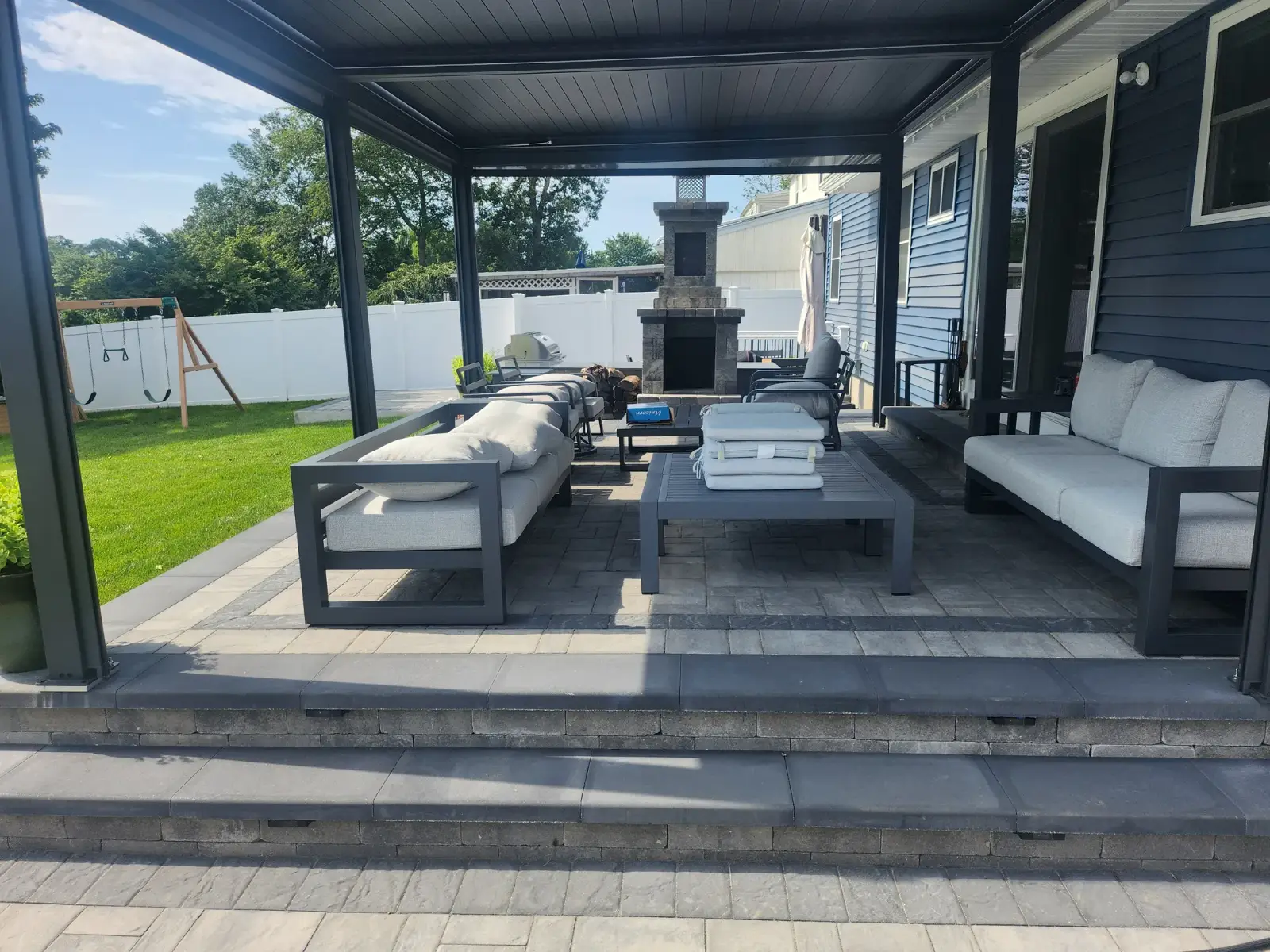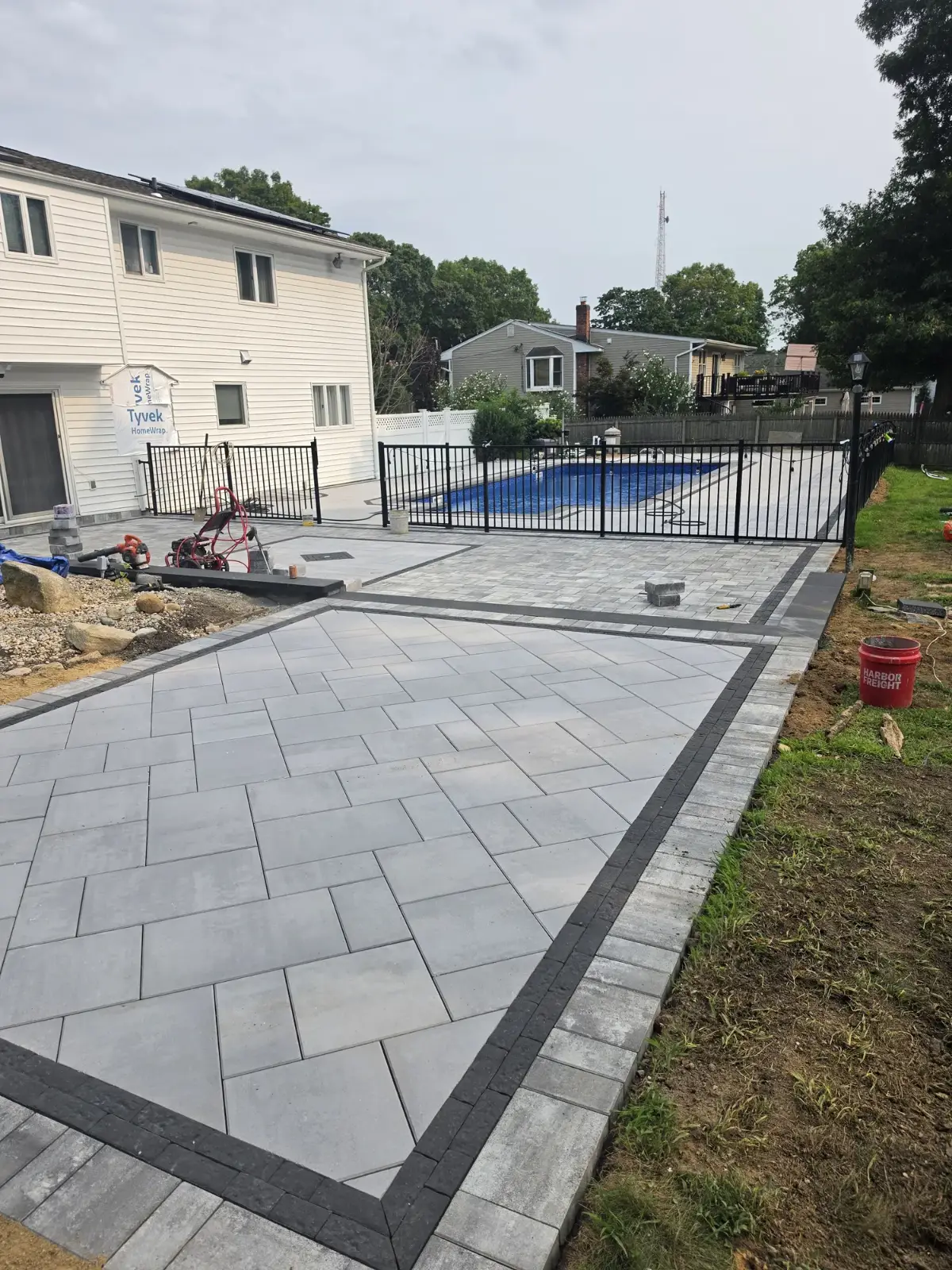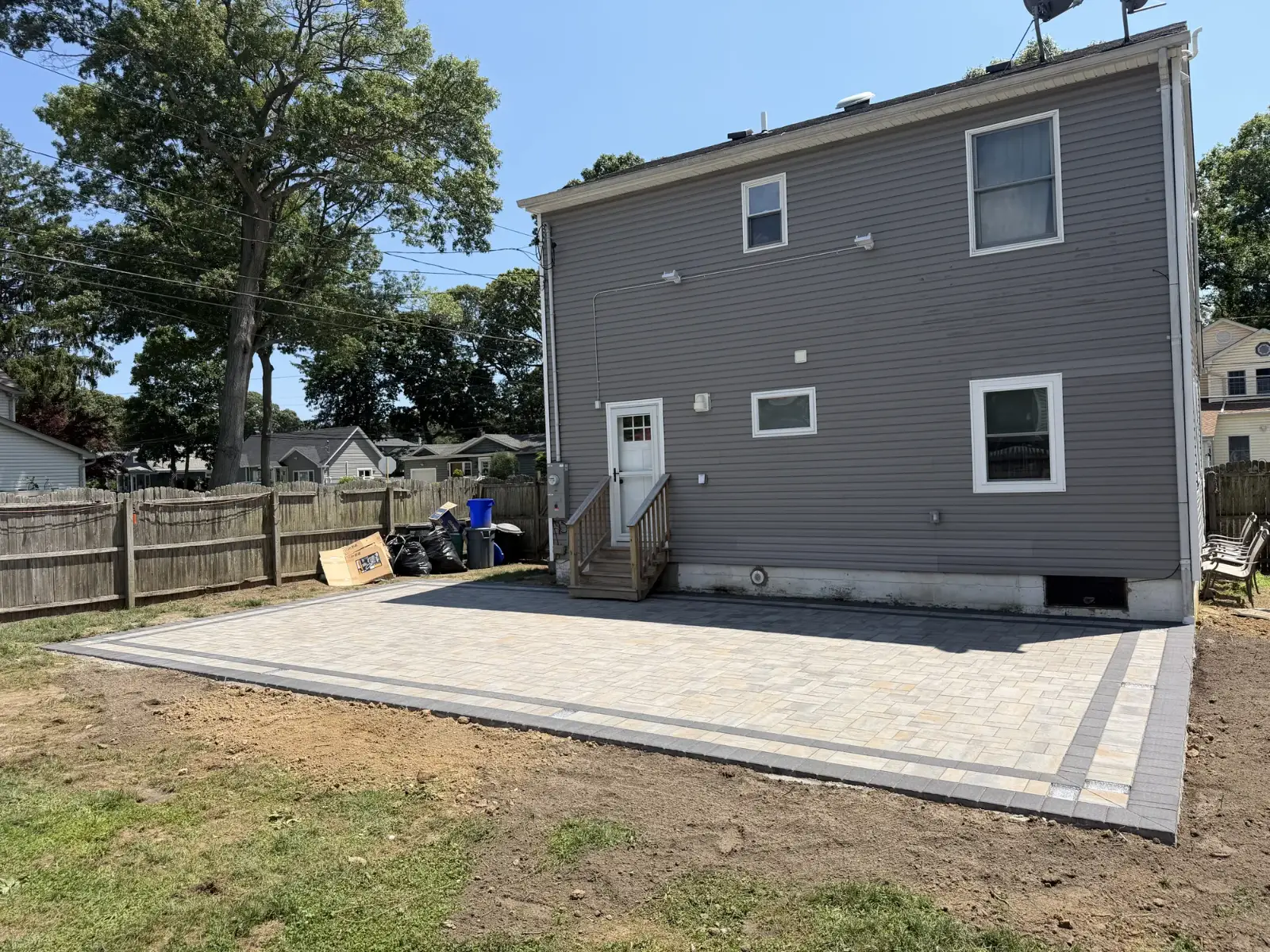

Paver Installation Tips from Trusted Concrete Paver Contractors
Learn how concrete paver contractors handle paver installation, base preparation, maintenance, common mistakes, and project costs.
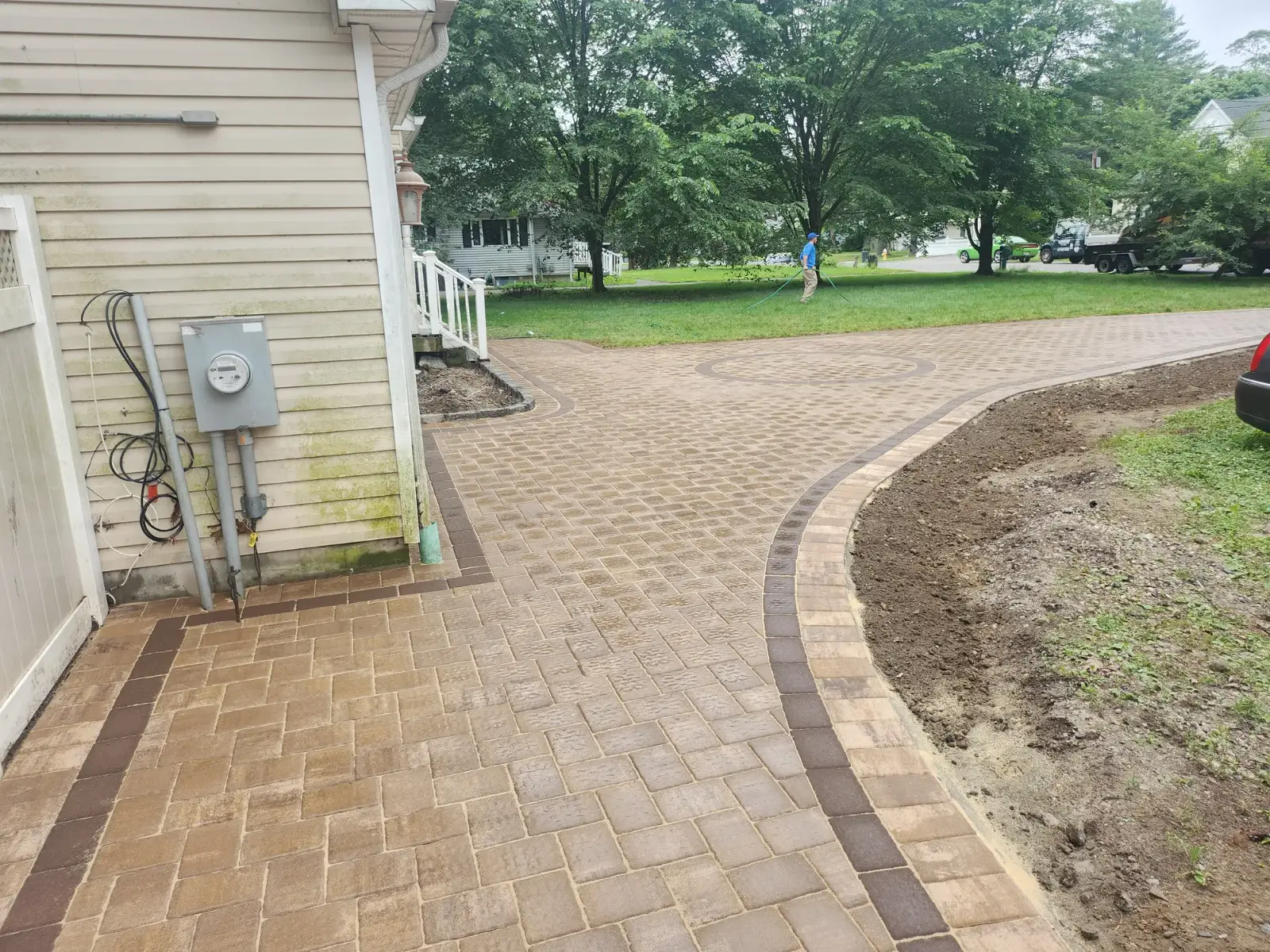
Your patio looks like a topographical map with stones tilting in every direction. Weeds have colonized every joint and the whole surface wobbles when you walk across it. Asphalt driveway paving requires different skills but the same attention to base preparation that determines paver longevity.
Islip homeowners increasingly choose concrete pavers for driveways, walkways, and outdoor living spaces. The material offers design versatility, individual unit replaceability, and permeable options. Furthermore, pavers handle freeze-thaw cycles better than monolithic concrete when installed correctly.
The problem is that most paver failures trace back to installation shortcuts. Inadequate base depth, poor compaction, and incorrect bedding sand create problems within the first two years. Understanding proper technique helps you hire qualified contractors and avoid expensive redo work.
Concrete Paver Contractors
Selecting experienced Concrete Paver Contractors means verifying specialized training beyond general landscaping. ICPI certification indicates knowledge of industry best practices. Furthermore, legitimate Concrete Paver Contractors carry appropriate insurance for hardscape work.
Portfolio review should include projects from at least three years prior. Well-installed pavers settle slightly but remain level and tight. Moreover, Concrete Paver Contractors should explain their base preparation process in detail.
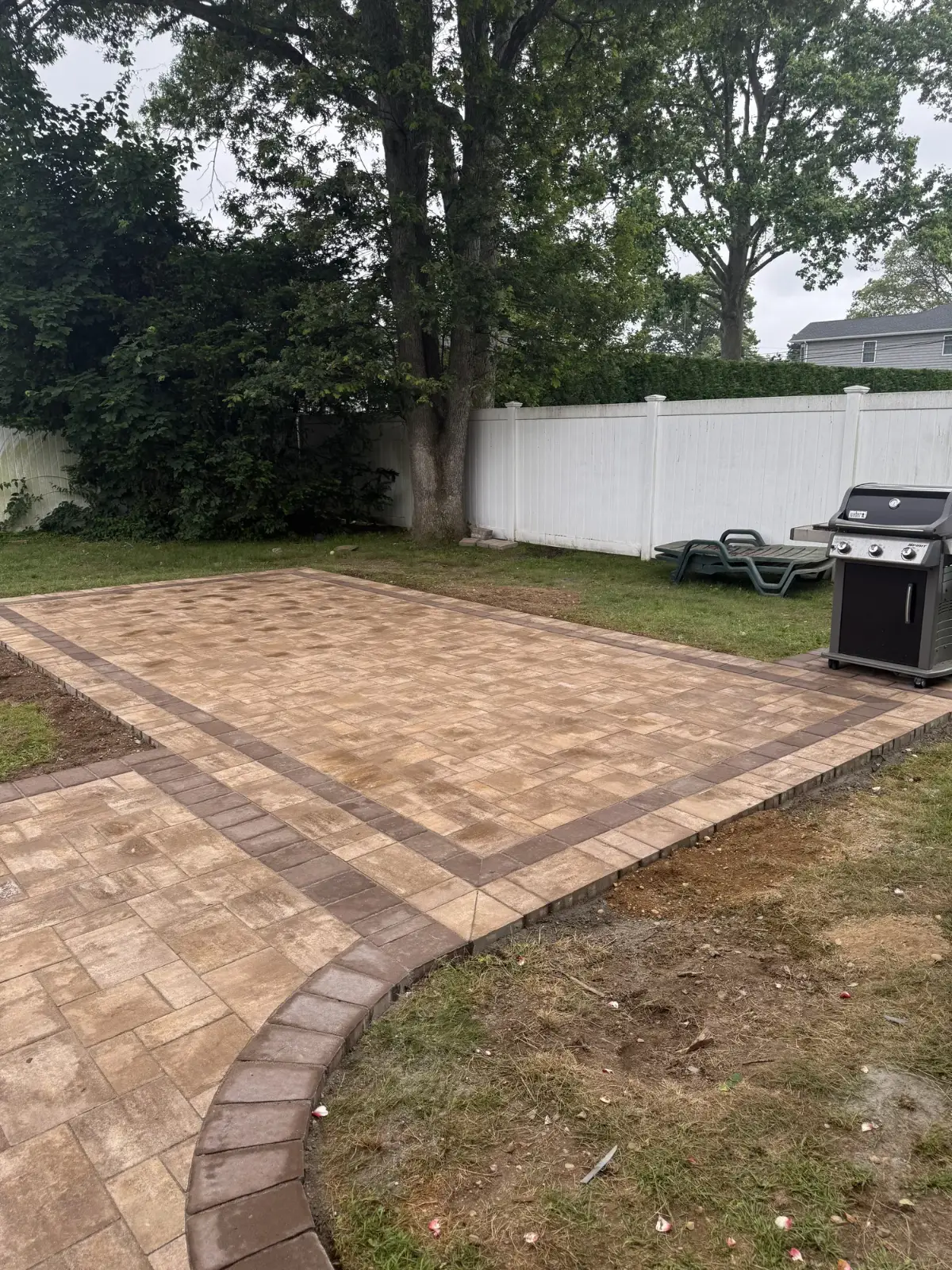
Paving Services in Islip
Local Paving Services in Islip understand Suffolk County soil conditions and drainage requirements. Coastal areas face salt exposure while inland properties deal with clay-heavy soils. Furthermore, local providers know permit requirements and utility locations.
Seasonal timing affects both pricing and installation quality. Spring and early summer offer ideal conditions before the fall rush. Moreover, established Paving Services in Islip maintain equipment fleets sized for residential efficiency.
Paver Installation
Proper Paver Installation begins with excavation to the appropriate depth minus base and bedding layers. Geotextile fabric prevents soil migration into aggregate bases. Furthermore, base material gets compacted in lifts to achieve 95% density.
Bedding sand provides the setting bed that allows minor adjustments during placement. One inch thickness is standard with screed pipes ensuring consistency. Additionally, Paver Installation requires edge restraints to prevent lateral spreading.
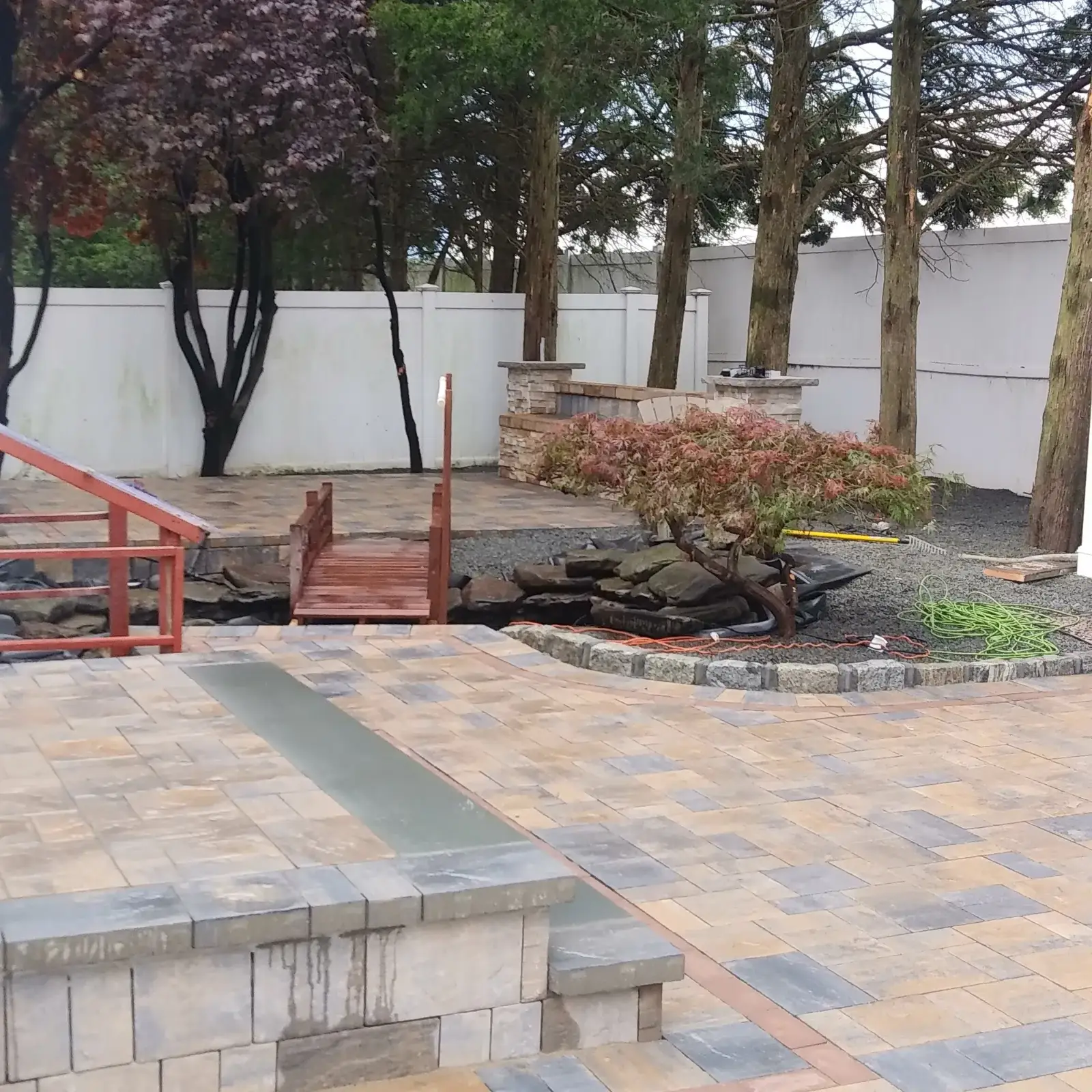
Common Installation Mistakes
Inadequate base depth causes settling and uneven surfaces within months. Cutting corners on excavation saves initial cost but guarantees premature failure. Furthermore, failing to compact base material properly creates soft spots.
Incorrect bedding sand type or thickness prevents proper leveling. Mason sand or concrete sand work best while play sand washes away. Moreover, missing edge restraints lets the entire field spread outward over time.
Maintenance Best Practices
Sealing every two to three years protects against stains and UV fading. The protective film makes cleanup easier and enhances color depth. Furthermore, joint sand replenishment prevents weed growth and maintains interlock.
Power washing removes dirt but requires careful technique to avoid joint sand erosion. Resanding after cleaning restores stability. Additionally, prompt stain treatment prevents permanent discoloration.
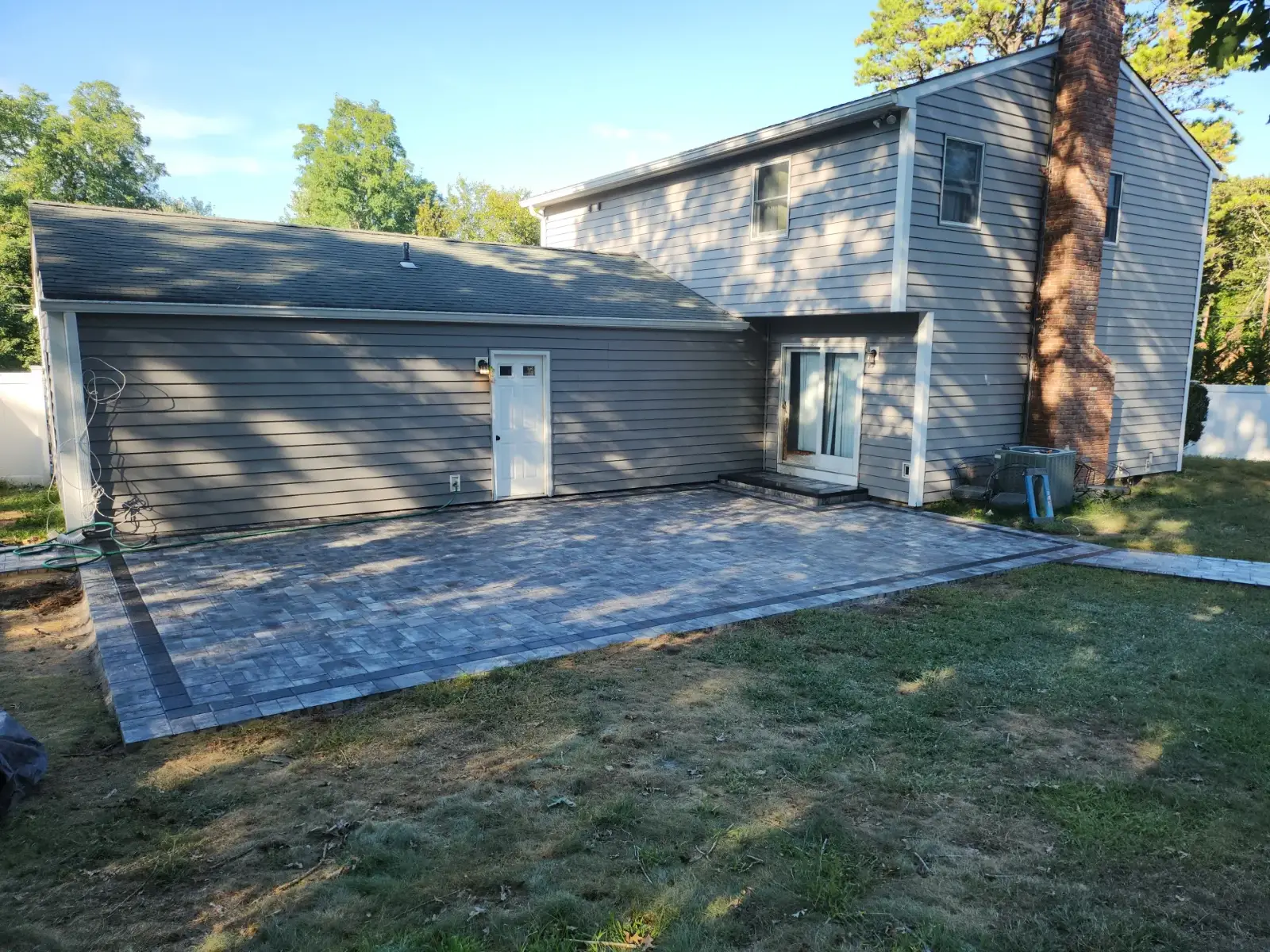
Pricing Expectations
Basic paver installation runs eight to fifteen dollars per square foot. Complex patterns, premium materials, and elaborate borders increase costs. Furthermore, extensive base preparation adds two to four dollars per square foot.
Most residential patios fall between $3,000 and $8,000. Driveways scale proportionally with area and thickness requirements. Moreover, permeable systems cost more initially but reduce drainage infrastructure needs.
Conclusion
Paver installation looks straightforward but hides technical complexity beneath the surface. Professional execution creates beautiful, durable hardscapes that enhance property value. Cutting corners produces wobbly, weed-infested eyesores.
Promaster Maintenance Corp installs pavers throughout Islip with precision and lasting quality. Their crews understand base preparation and proper technique. Contact them today for paver work that stays level and beautiful for years.
Frequently Asked Questions
What are common paver installation mistakes?
Inadequate base depth, poor compaction, and missing edge restraints cause most failures. Incorrect sand type and excessive bedding thickness also create problems. Furthermore, ignoring drainage slopes leads to water pooling.
What is the correct way to install pavers?
Excavate to proper depth, install geotextile, compact base in lifts, screed bedding sand, lay pavers with proper spacing, install edge restraints, sweep joint sand, and vibrate to lock. Additionally, sealing protects the finished surface.
Can concrete pavers be used for a driveway?
Yes, provided they are at least eighty millimeters thick with adequate base preparation. Thinner patio pavers crack under vehicle loads. Furthermore, driveway installations require edge restraints designed for vehicular traffic.
Is hand tamping good enough for pavers?
No, plate compactors achieve densities that hand tamping cannot match. Proper compaction requires mechanical equipment operated by trained professionals. Ultimately, inadequate compaction guarantees premature failure.