
What Is the Cost of Installing Pavers per Square Foot?
Discover the average cost of installing pavers per square foot, including labor, materials, and design factors. Compare pavers, concrete, and asphalt costs.
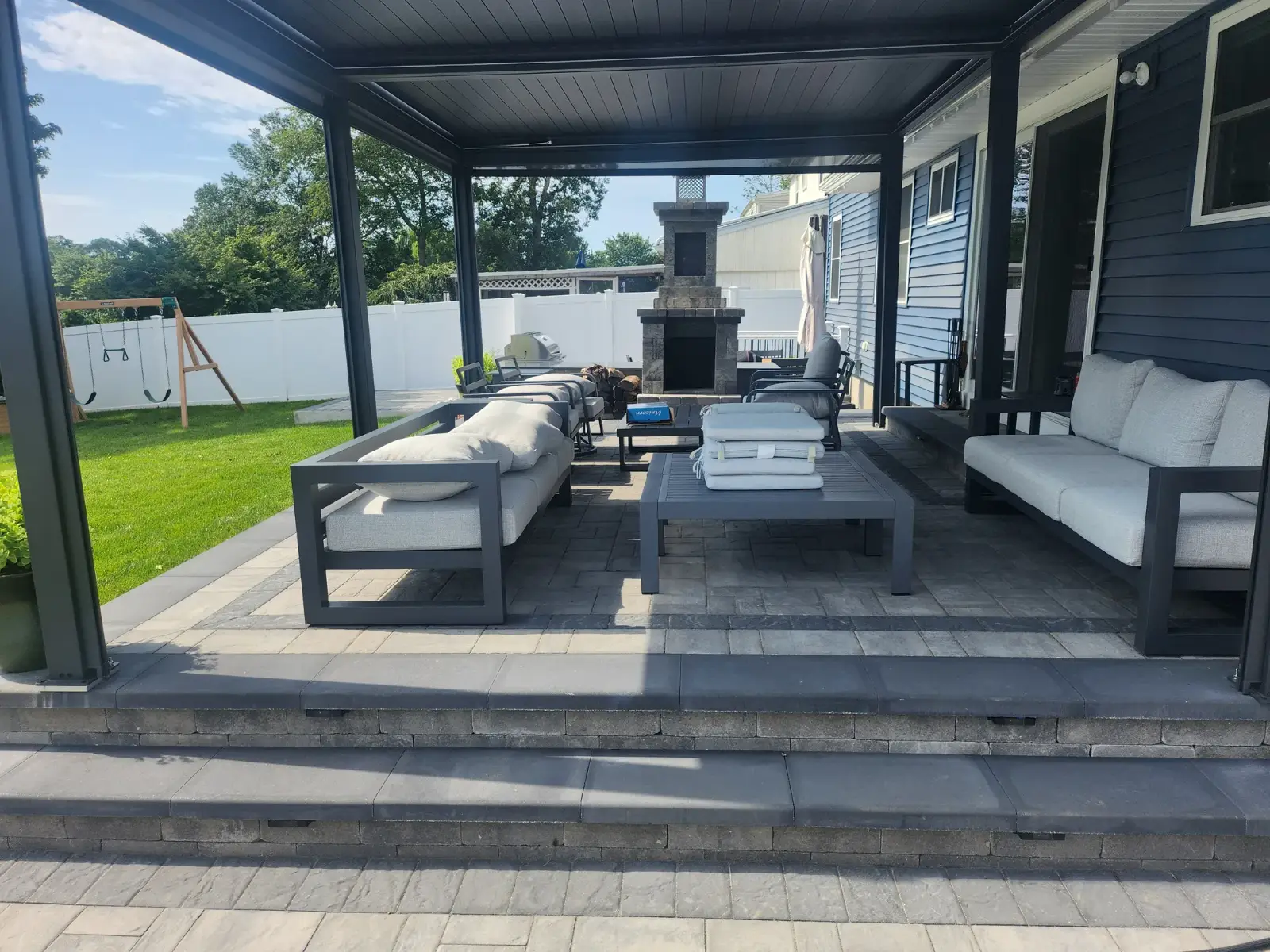
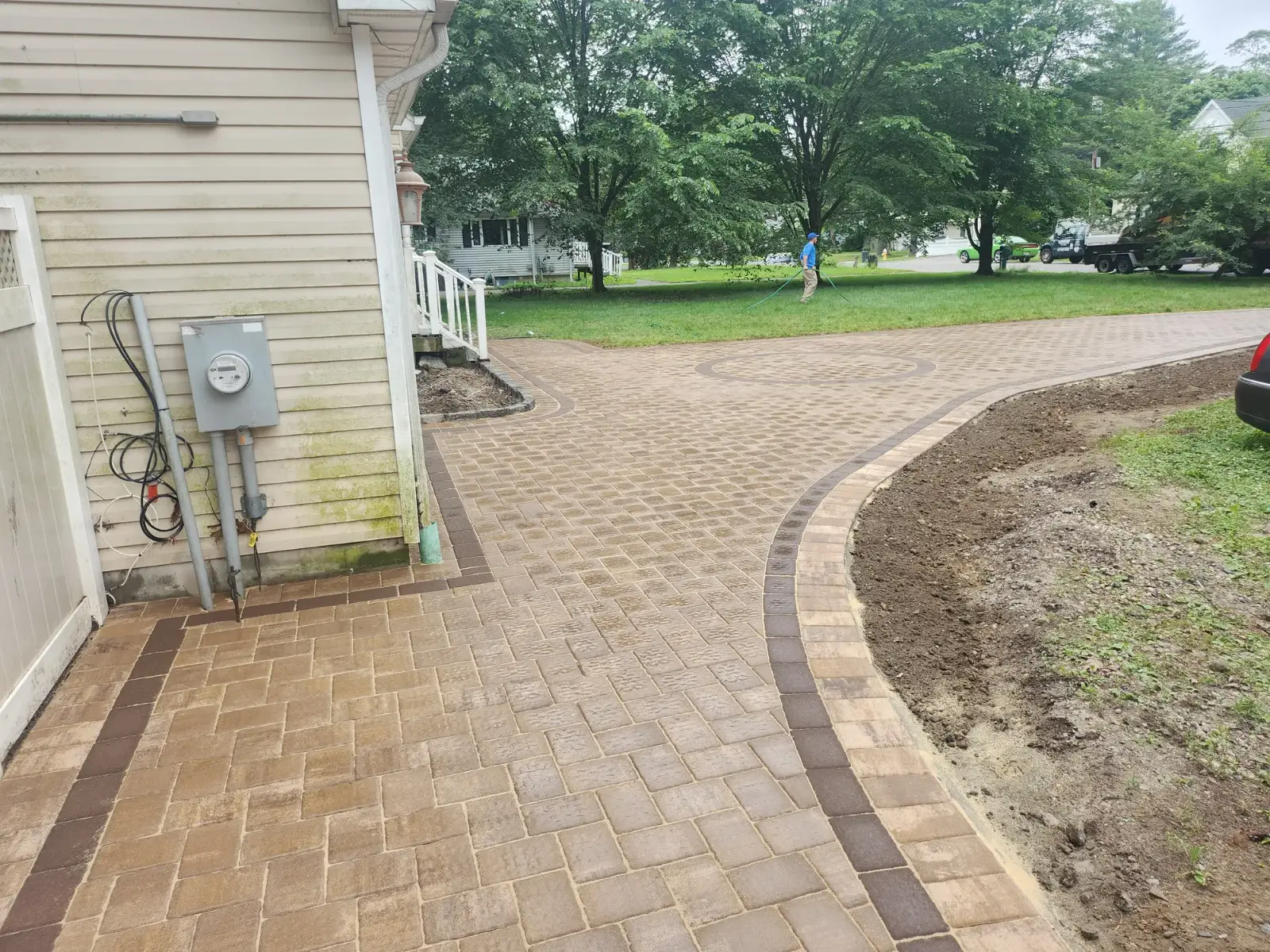
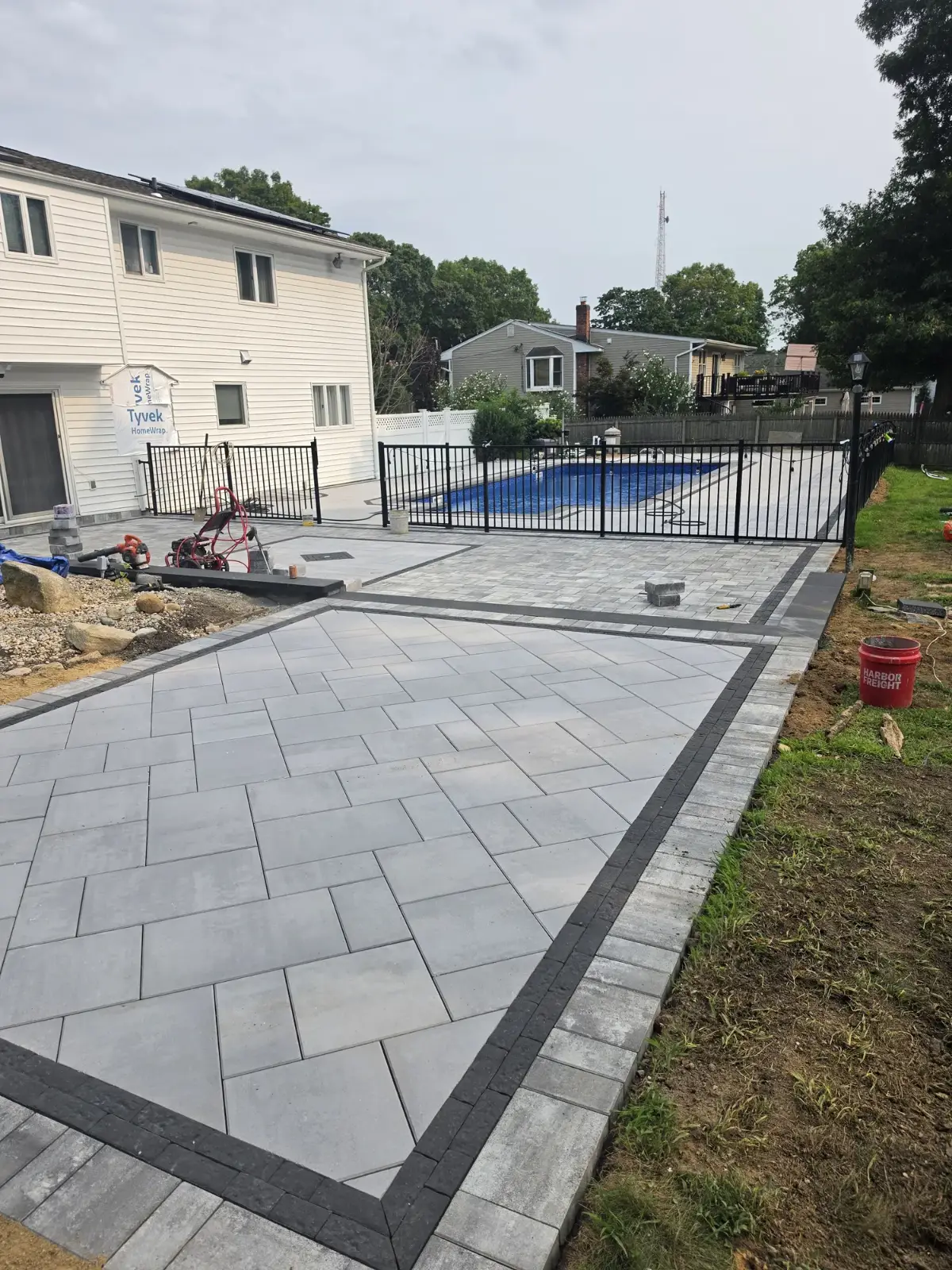
Pavers have been appearing in more Long Island front yards and backyards than ever before, and the reason is not complicated. They look better than concrete, last longer than asphalt, and can be repaired without tearing everything out.
But cost is the question that stops most homeowners before the conversation goes any further. Quotes come in wide, confusing ranges. Someone’s neighbor got pavers installed for what sounds like almost nothing. Another homeowner’s project came in at a number that required some serious budget rethinking. The actual figures make more sense once the factors behind them are understood properly.
The Price Range Most Homeowners Actually See in This Region
Professional paver installation on Long Island typically falls between fifteen and thirty dollars per square foot for a complete installed result. That means materials, base preparation, and labor are all included. At the lower end of that range, standard concrete pavers on a straightforward site with good equipment access might come in closer to twelve to fifteen dollars per square foot. At the upper end, natural stone on a complex site with elevation changes, design customization, or limited access can exceed thirty-five dollars.
These ranges reflect real-world project costs, not material-only pricing. Buying pavers at a supply store and using that number to estimate a full project leads to significant sticker shock when contractor quotes arrive, because the material often represents only forty to fifty percent of the total installed cost.
Why Location Changes the Quote Before Anything Else
Labor rates in Long Island are higher than national averages. Operating a licensed, insured contracting business in Suffolk County involves higher insurance premiums, permit costs, and overhead than contracting in less expensive regions. This is directly reflected in installation quotes. Comparing Long Island pricing to numbers from a national online calculator is not a useful exercise. It often leads homeowners to believe quotes are unreasonably high when they are actually accurate for the local market.
Material Type Is Where the Biggest Cost Differences Live
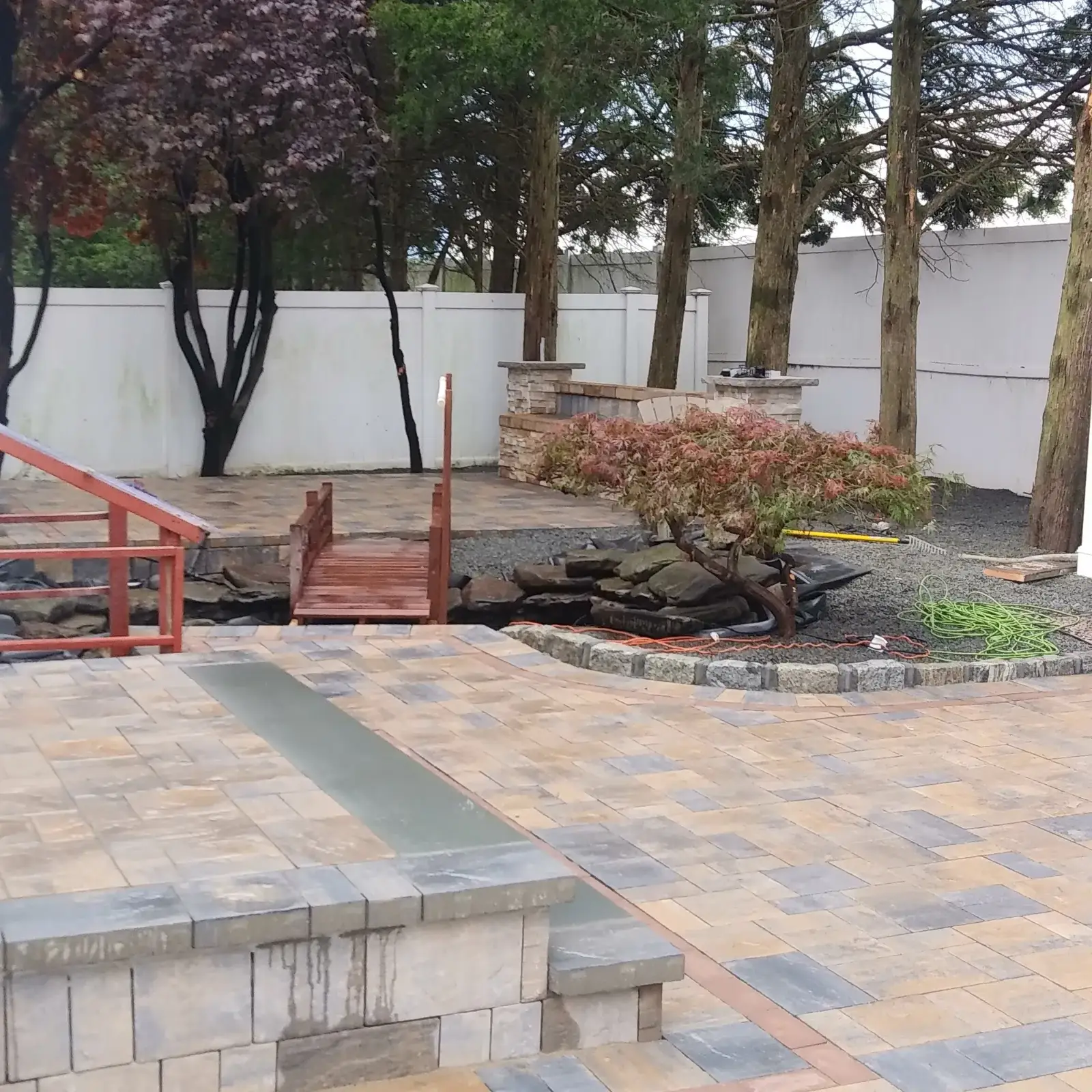
Standard concrete pavers are the most affordable option and cover the widest range of price points. Tumbled concrete pavers, which have a more aged and textured appearance, cost slightly more due to the additional manufacturing process. Large-format concrete pavers require more precision during installation and are priced accordingly.
Brick pavers carry pricing similar to mid-range concrete pavers but offer a distinct traditional character. Natural stone, including bluestone, travertine, granite, and slate, is substantially more expensive both as a material and to install because of weight, cutting requirements, and the care needed to achieve consistent, even results. Porcelain pavers carry a premium material cost but require very little maintenance over their lifespan.
Project Size and Complexity Drive the Labor Cost
Labor pricing is not directly proportional to square footage. A five-hundred-square-foot patio does not cost exactly half of a thousand-square-foot patio for identical materials. Mobilization, equipment setup, and the fixed time required to start any job are relatively constant regardless of scale. Smaller projects tend to carry a higher per-square-foot labor cost than larger ones as a result.
Design complexity adds significantly to labor hours. Straight cuts along clean rectangular edges are fast and efficient. Curves, angles, inlay designs, and patterns using multiple paver sizes require more time and generate more material waste. A simple grid layout costs less to install than a herringbone pattern using the same paver.
Why Paver Patios Cost More Than a Poured Concrete Slab
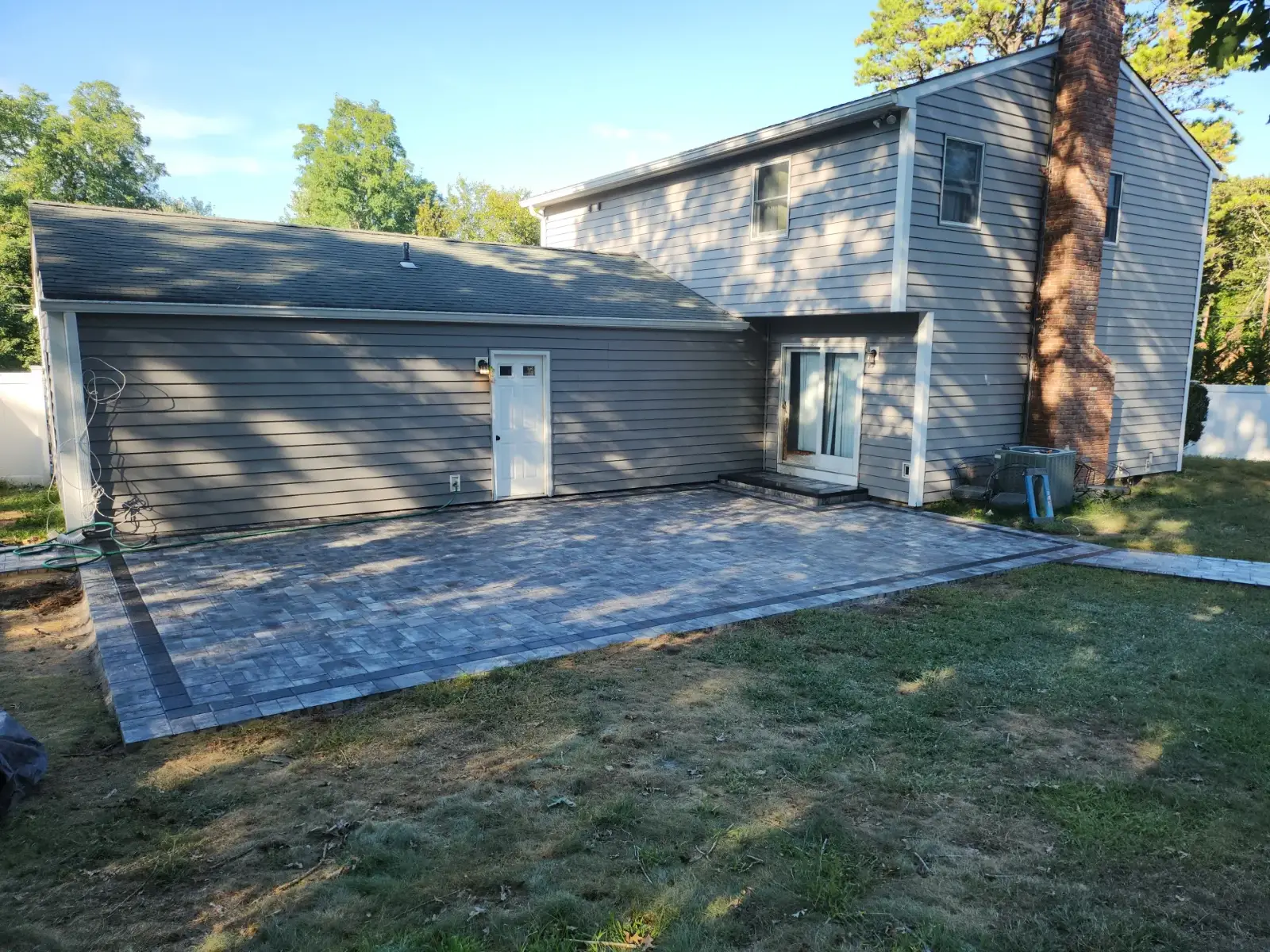
The comparison is worth understanding clearly. A plain concrete slab costs less per square foot to install than a paver surface. But the two are not equivalent products. A concrete slab is a single pour that cures in place. Paver installation involves excavation, base preparation, compaction, edging installation, individual paver setting, joint sand compaction, and sealing. It is a significantly more labor-intensive process from start to finish.
The long-term argument for pavers is repairability. When a paver is damaged, that single unit can be removed and replaced without disturbing the surrounding surface. A cracked concrete slab requires either living with the crack, patching it visibly, or removing a large section. That repairability changes the total cost picture when the comparison is extended over twenty or thirty years.
Base Preparation: Where Shortcuts Create Expensive Problems Later
A properly installed paver surface in Long Island’s climate requires a four to six-inch compacted crushed stone base. Additional depth may be needed depending on soil conditions. The base prevents settling, heaving, and uneven surfaces over time. It also determines how the surface handles drainage. A contractor who reduces base depth to offer a lower quote is trading that saving for a surface that will shift and fail within a few years, long before its expected lifespan.
Drainage must be built into the base stage. The surface needs to slope away from the home toward an appropriate outflow. Getting this wrong at installation means pooling water on the finished surface, which washes out joint sand, accelerates base deterioration, and causes pavers to shift and become uneven.
Pavers vs. Concrete vs. Asphalt: A Straight Cost Breakdown
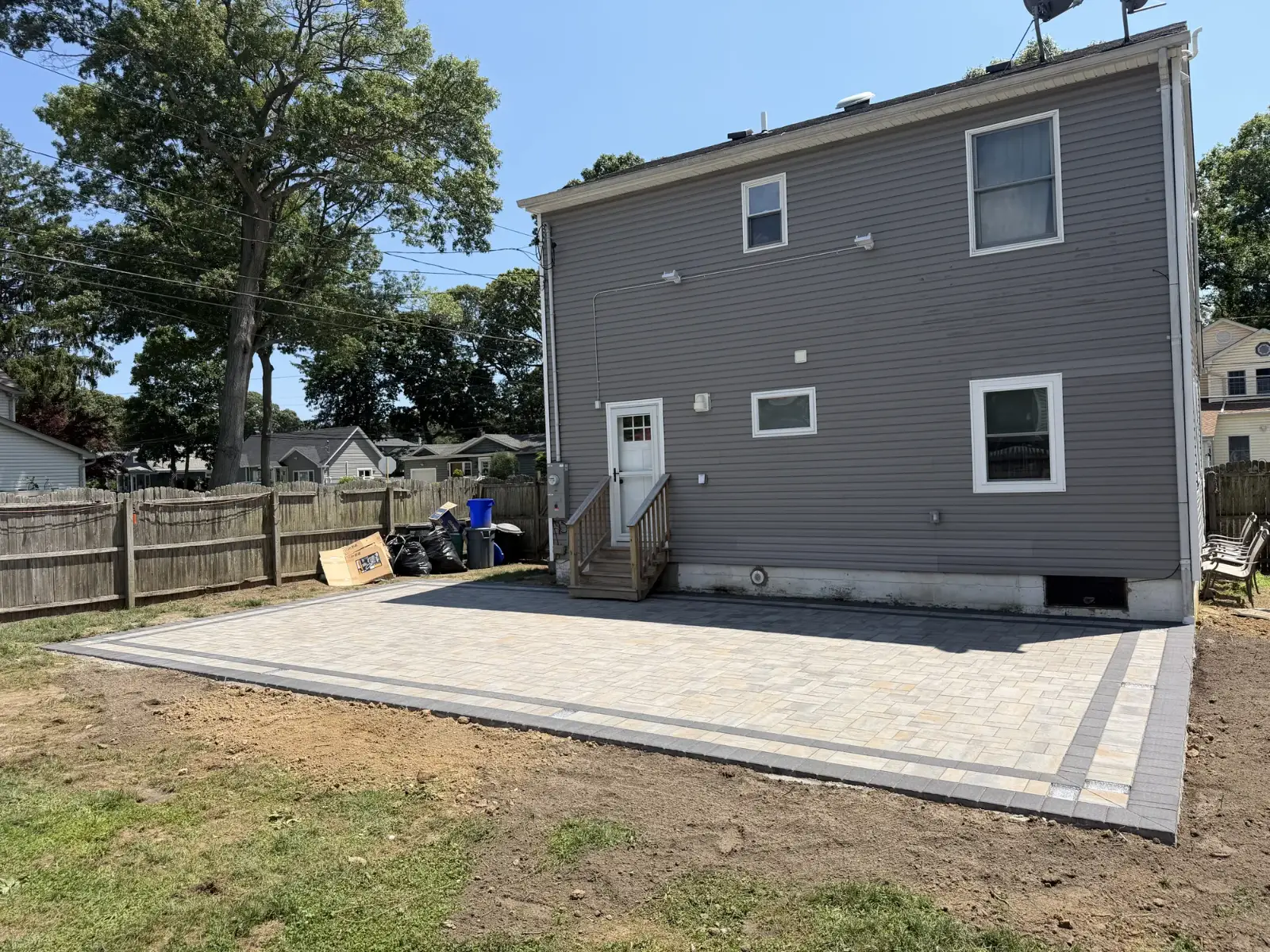
Asphalt installation typically runs three to seven dollars per square foot installed. Concrete costs between eight and fifteen dollars for standard finishes. Pavers start at twelve to fifteen and increase from there based on material and complexity. Asphalt wins on upfront cost clearly. Concrete offers a middle position with a longer lifespan and lower maintenance than asphalt. Pavers carry the highest installation cost but deliver the best combination of aesthetics, repairability, and long-term performance.
When the total cost over 20 years is calculated, pavers often compare very favorably to asphalt. Asphalt requires recurring sealcoating, crack filling, and potential resurfacing. A properly installed and sealed paver surface requires far less intervention over the same period.
Where Smart Budget Decisions Can Reduce Cost Without Sacrificing Quality
Choosing a mid-range concrete paver over natural stone saves substantially on material without a meaningful sacrifice in durability or appearance. Keeping the design layout simple and avoiding complex curves or multi-size patterns reduces labor hours. Larger project footprints generally produce better per-square-foot pricing because overhead is spread across more area. Planning installation during a contractor’s off-peak season may improve both availability and pricing.
Getting the base right and choosing a reliable contractor matters far more than finding the lowest quote. A paver surface that settles unevenly or develops drainage problems within the first three years costs far more to correct than the savings achieved by cutting corners during installation. Promaster Maintenance Corp installs paver surfaces across Long Island with the base preparation standards that ensure the work holds up for decades, not just seasons.