
How Much Does a Patio Installation Cost in Long Island?
Discover how much patio installation costs in Long Island, including material prices, labor expenses, and factors that affect total costs.
How Much Does a Patio Installation Cost in Long Island?
The moment a homeowner decides they want a patio, cost becomes the first real obstacle. One contractor quotes eight thousand dollars.
Another prices the same-sounding project at twenty-two thousand. Online calculators offer ranges so broad they are practically useless. The confusion is not accidental.
Patio installation cost genuinely varies based on factors that are not obvious until someone stands in the yard and evaluates the actual conditions.
Understanding what drives the price makes it much easier to evaluate quotes honestly and make a decision that holds up over time, not just in the short term.
Why Quotes Vary So Much for Similar-Sounding Projects
Patio pricing is project-specific. The same square footage can cost significantly different amounts depending on material choice, site conditions, design complexity, and local labor rates. A basic concrete slab on flat ground with good equipment access involves straightforward work. A multi-level paver patio on a sloped lot near an existing structure requires excavation, retaining work, and considerably more labor time. Both get described as patio installations, but the work involved is barely comparable.
What the Numbers Actually Look Like Per Square Foot
Concrete patio installation on Long Island typically falls between eight and fifteen dollars per square foot for a complete installed result. Standard broom-finish concrete sits at the lower end. Stamped or decorative concrete commands more because of the additional labor and materials required for the finishing process.
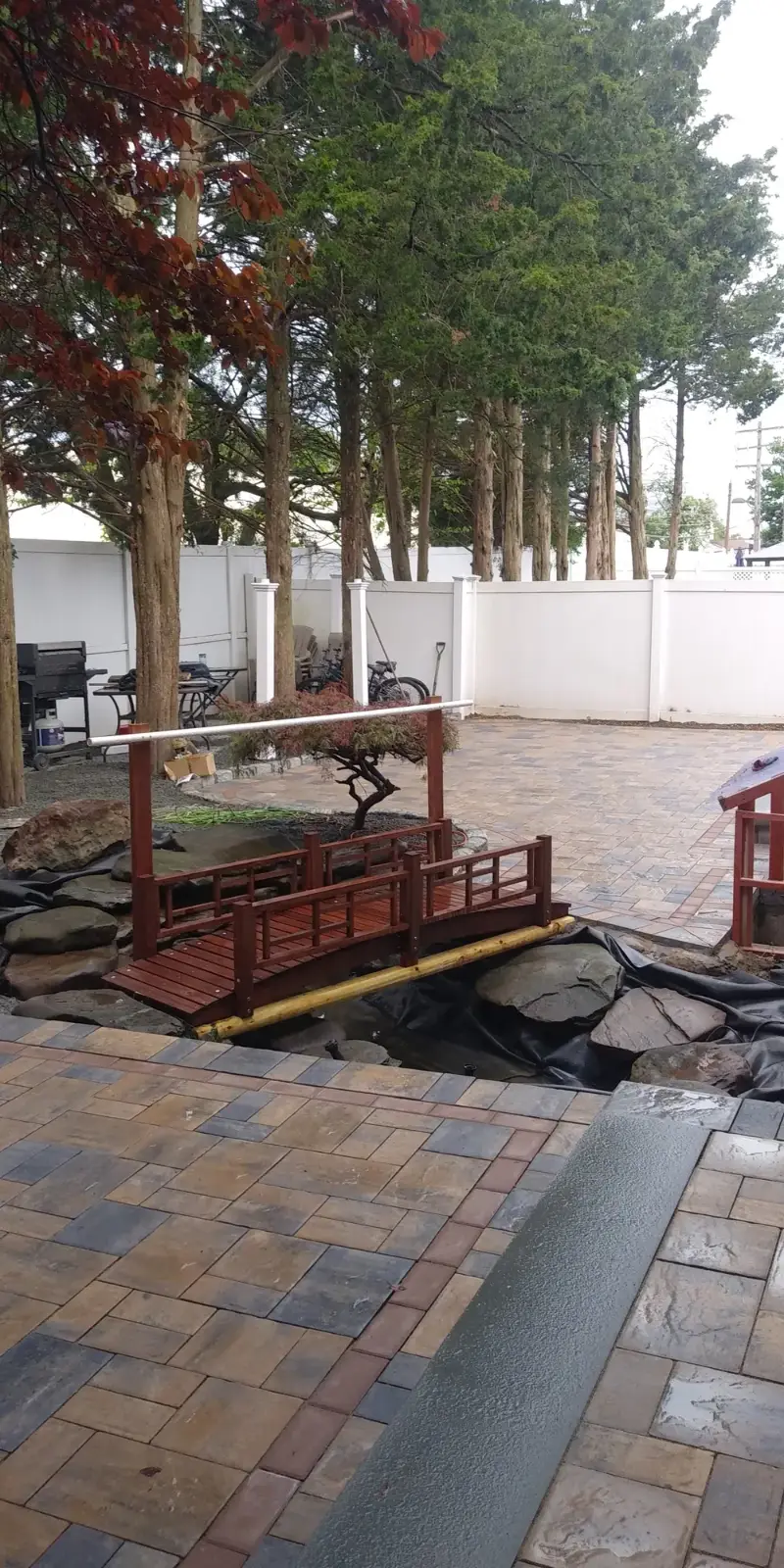
Paver patios are priced higher. Concrete pavers installed professionally typically run between fifteen and twenty-five dollars per square foot in the Long Island area. Natural stone, depending on the material selected, can push costs to thirty dollars or more. These figures represent the installed cost, including base preparation, materials, and labor. Material-only pricing from a supply house is substantially lower and should not be used as a basis for estimating the full project cost.
Material Choice Is the Biggest Variable in the Price
Standard concrete pavers at the mid-range price point offer a balance of durability, appearance, and reasonable cost. Brick pavers are priced similarly but carry a more traditional character. Natural stone, such as bluestone or travertine, costs significantly more as a material and requires more precision during installation. Porcelain pavers are a premium option with higher material costs but minimal long-term maintenance requirements.
Choosing a less expensive surface material does not reduce total project cost as much as most homeowners expect. A substantial portion of the total investment goes toward excavation, grading, compaction, and base installation, all of which happen before the first paver is placed. These costs remain relatively constant regardless of the surface material chosen.
What Labor and Site Work Actually Cost
Labor is a significant share of the total cost. Skilled masonry labor in Long Island runs between sixty and one hundred twenty dollars per hour, depending on scope and complexity. Site preparation, including excavation, grading, and base compaction, is often billed separately from the surface material installation.
Properties with complicating factors see higher labor costs. Tree roots in the work area require careful excavation. Slopes require grading and sometimes retaining structures. Equipment access limitations increase the time required for every phase. These factors are not always visible from a site description and often surface only during an in-person estimate.
What a Professional Installation Service Should Actually Include
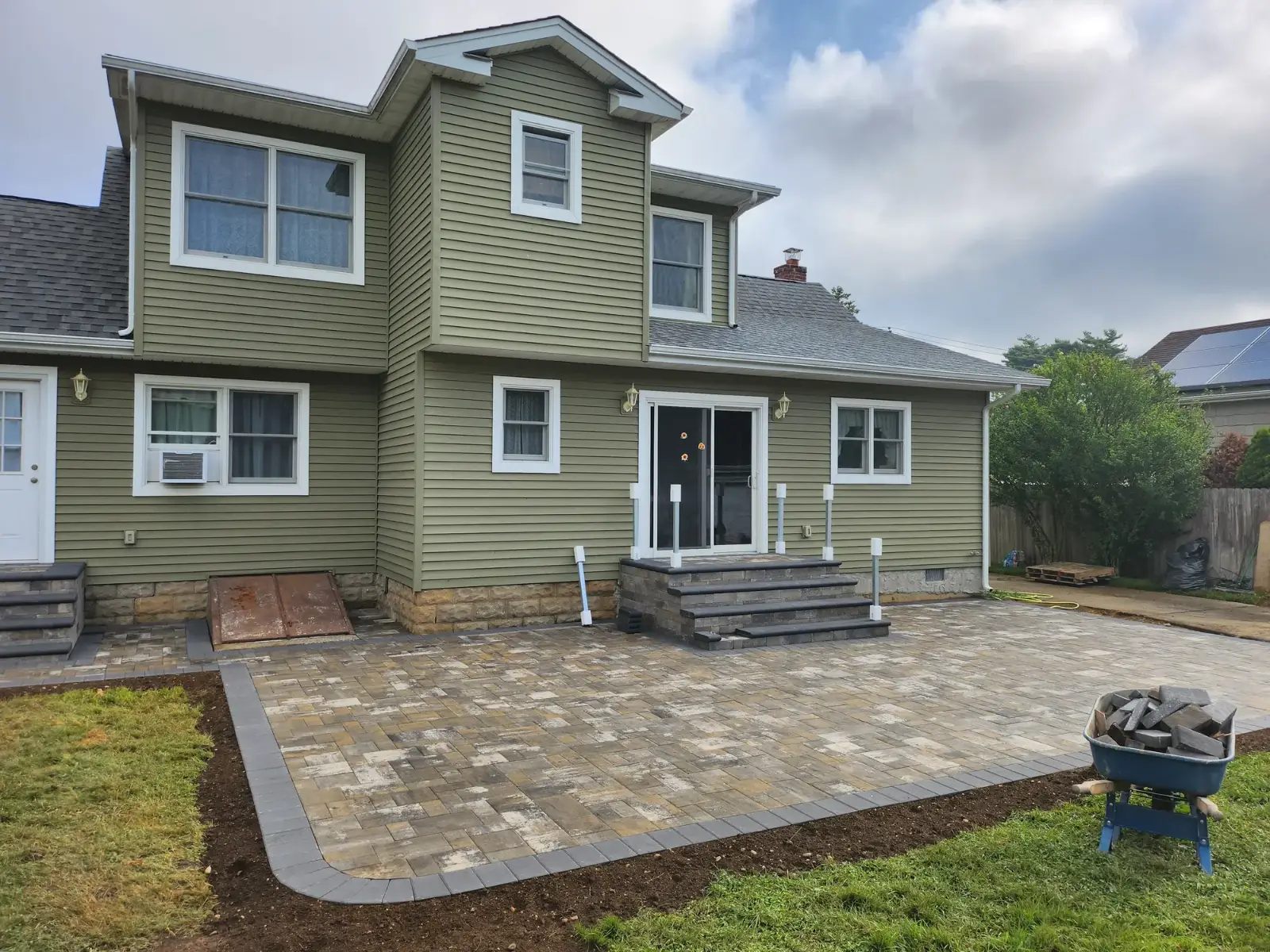
A complete professional installation covers site evaluation and measurement, excavation and removal of displaced material, base layer installation and compaction, drainage planning, surface material installation, edge finishing, and final site cleanup. Any quote that does not clearly itemize these elements may be omitting costs that will reappear later as change orders. Permits may also be required depending on project size and local Suffolk County municipality requirements. A contractor who handles permitting as part of their scope saves the homeowner from a step that can delay projects significantly.
What to Look for When Choosing a Contractor in Long Island
Licensing and insurance are the minimum threshold. A verifiable portfolio of completed local projects and references that can actually be contacted provides a more meaningful basis for comparison. A contractor who delivers a detailed, line-item written estimate demonstrates transparency and makes it possible to understand exactly where the budget is going. A lump-sum quote without a breakdown makes meaningful comparison nearly impossible.
Questions Worth Asking Before Signing Anything
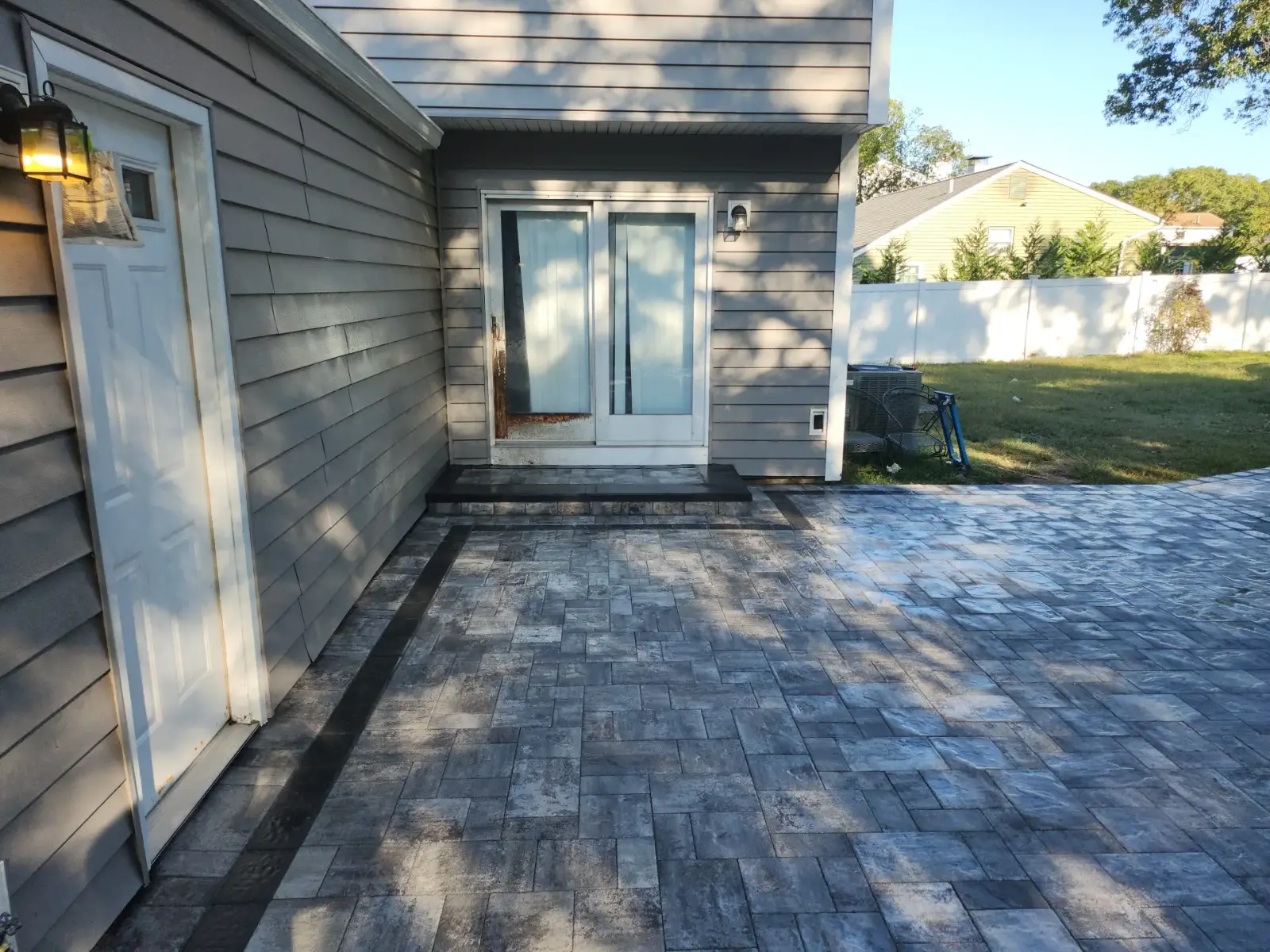
Ask how deep the base will be compacted and what material will be used. Ask what drainage provisions are included in the design. Ask whether excavated material removal is part of the quoted scope. Ask how scope changes are handled if unforeseen site conditions arise during the project. Clear, specific answers to these questions reveal how experienced and communicative a contractor actually is before any money changes hands.
Smart Ways to Reduce Cost Without Reducing Quality
Simpler layouts cost less because they require less cutting, fitting, and material waste. Rectangular and square designs use paver material more efficiently than curved or irregular shapes. Choosing a mid-range material over a premium one reduces costs without sacrificing meaningful durability or visual quality. Scheduling installation during a contractor’s slower season, typically late fall or early spring in Long Island, sometimes produces more competitive pricing.
Phasing the project is another practical approach. A core patio area can be installed now with provisions made for future expansion. This distributes cost over time while establishing the most-used portion of the space immediately, so the yard becomes functional right away.
Every patio investment should be evaluated not just by its upfront cost but by the value it adds and how long it holds up. Promaster Maintenance Corp provides free on-site estimates across Long Island, giving homeowners a clear, itemized picture of what their specific project will actually cost.