
What Is the Best Driveway Material: Asphalt, Concrete or Pavers?
Discover the best material for a driveway by comparing asphalt, concrete, pavers, and gravel for durability, cost, and curb appeal.
What Is the Best Material for a Driveway: Asphalt, Concrete, or Pavers?
Picking a driveway material looks simple until the estimates arrive and the numbers tell very different stories. A neighbor installs pavers, and the result turns heads for years. Someone down the street poured concrete a decade ago, and it still looks clean. Meanwhile, another house has an asphalt driveway that has aged poorly after five years.
The material chosen at the outset shapes not just how a property looks, but how often it needs attention, how long it holds up, and what it costs when something goes wrong.
Getting this decision right from the start eliminates a lot of expensive regret later.
Asphalt: The Practical Workhorse With Real Tradeoffs
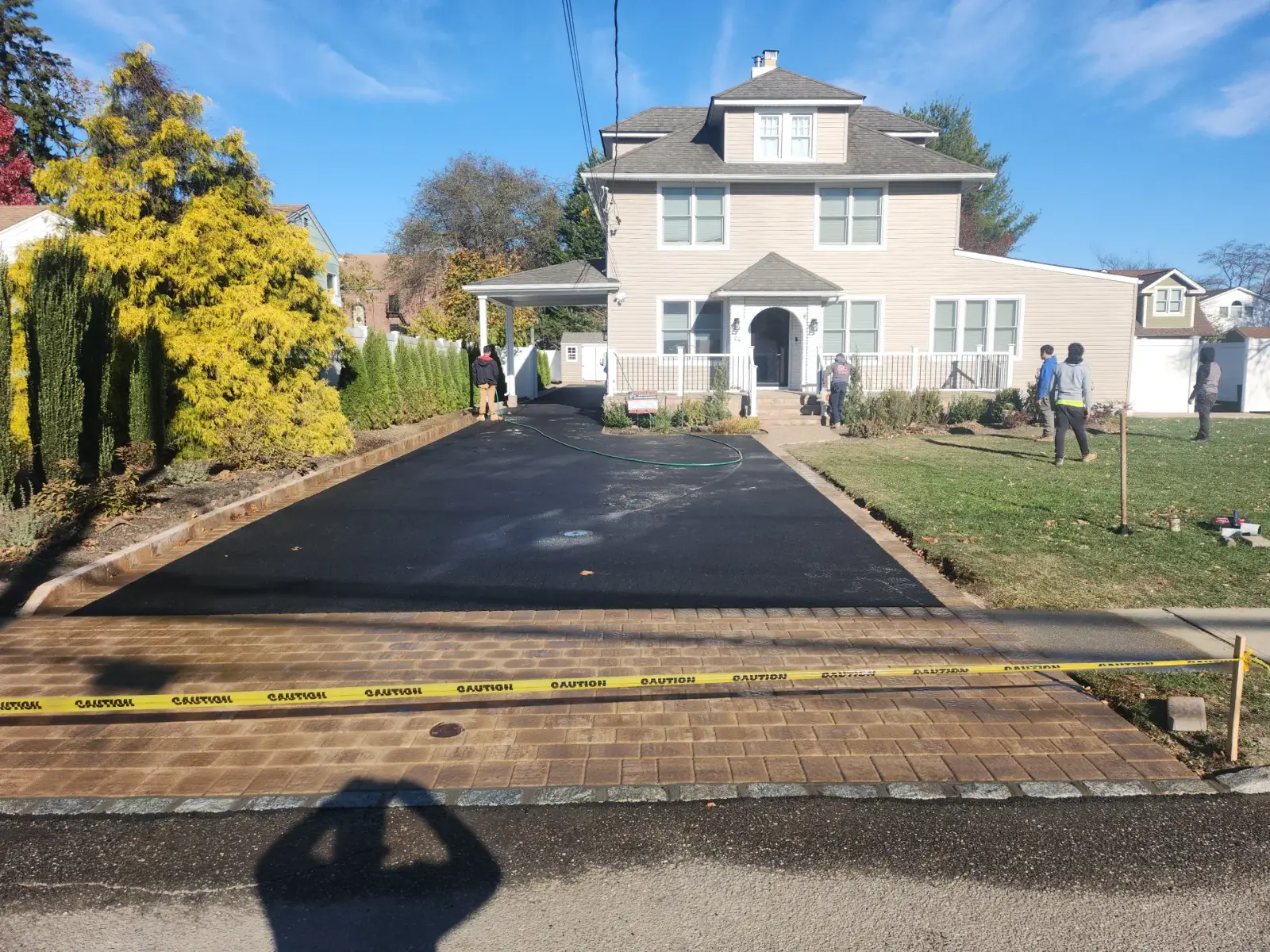
Asphalt is the most widely installed residential driveway material for a reason. It costs less to install than concrete or pavers, and when the base remains solid, it can be resurfaced rather than fully replaced. Its dark surface absorbs heat and melts snow faster than lighter materials, which is genuinely useful during Long Island winters. Repairs blend in more naturally than on concrete, where patches are almost always visible.
The limitations are just as real. Asphalt needs sealcoating every two to three years to stay protected. It softens in intense summer heat and can shift under heavy loads. Its lifespan is shorter than the alternatives, typically 15 to 25 years, depending on installation quality and maintenance. Design flexibility does not exist. It comes in one color.
Concrete: Built for the Long Game
Concrete driveways last significantly longer than asphalt. A properly installed surface can hold up for 30 to 50 years with relatively low maintenance. It performs well under heavy loads and does not soften in heat. Stamped patterns, exposed aggregate, and color additives allow concrete to look quite different from a standard gray slab, which gives homeowners some design options without going to pavers.
The drawbacks are equally real. Upfront installation costs are higher than those for asphalt. Cracks are more visible and harder to repair without leaving obvious patching. De-icing salts cause surface spalling over time in cold climates unless the surface is properly sealed and maintained. Staining is more apparent and harder to ignore on a lighter surface.
Pavers: Where Performance Meets Aesthetics
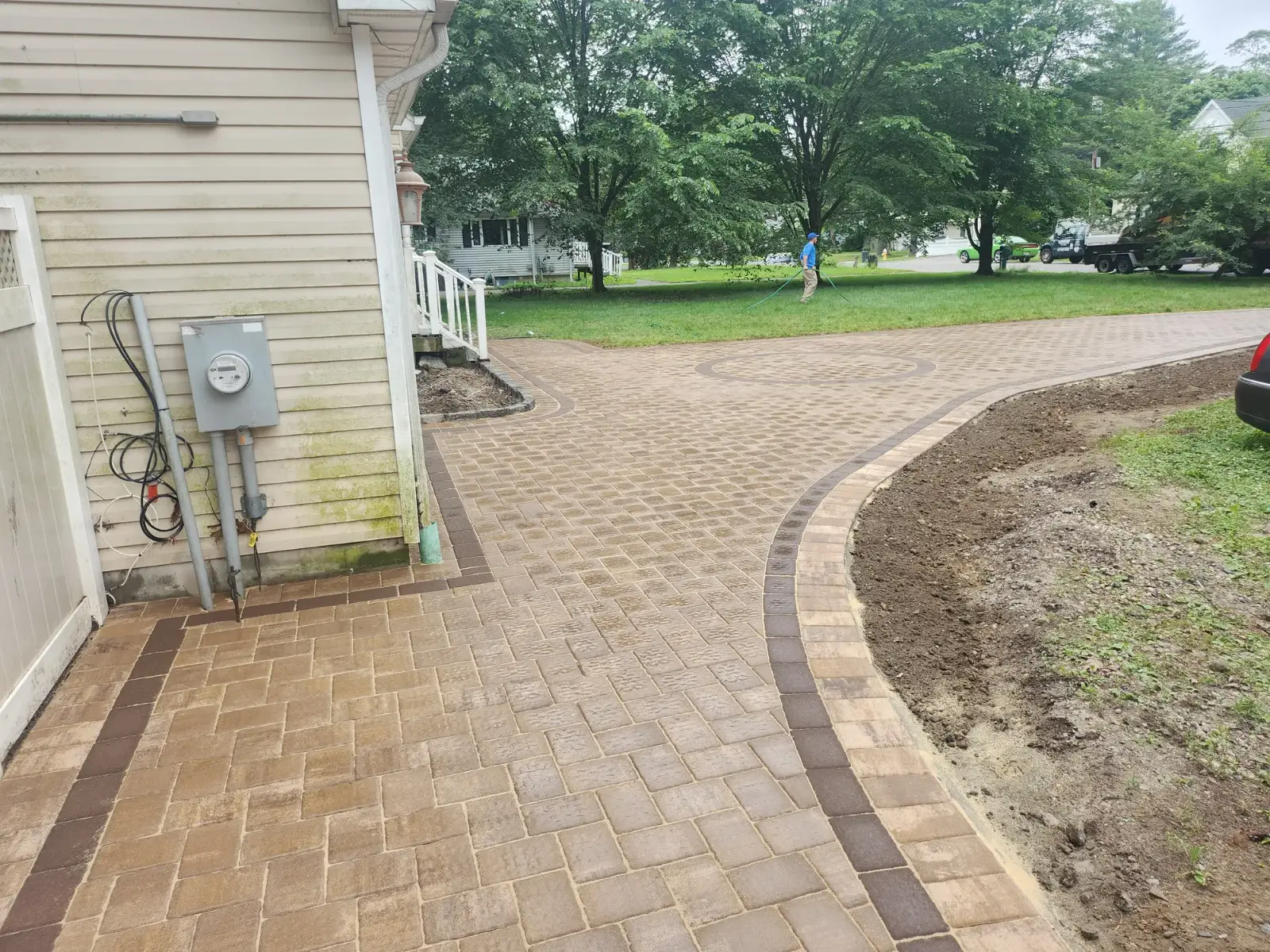
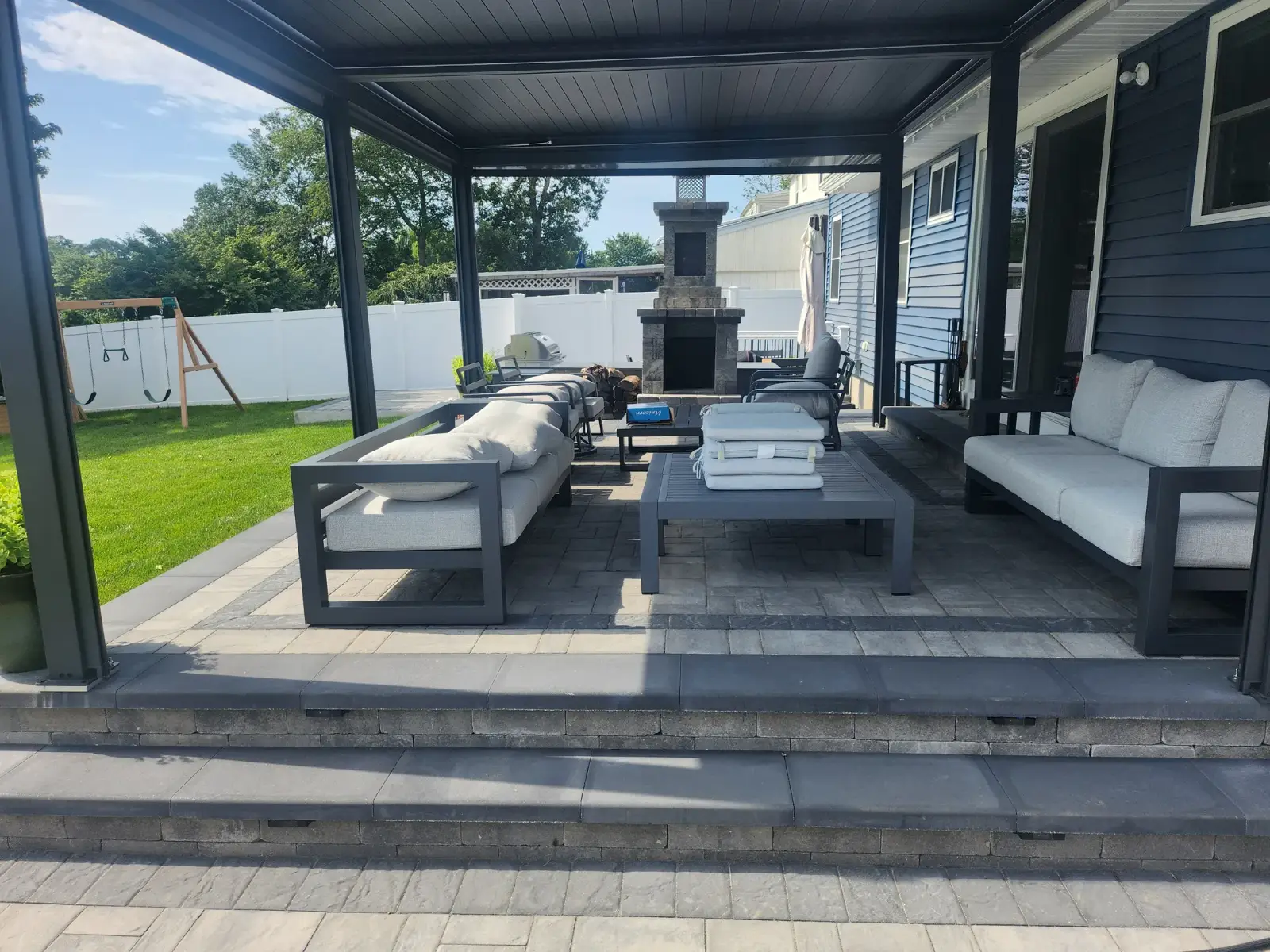
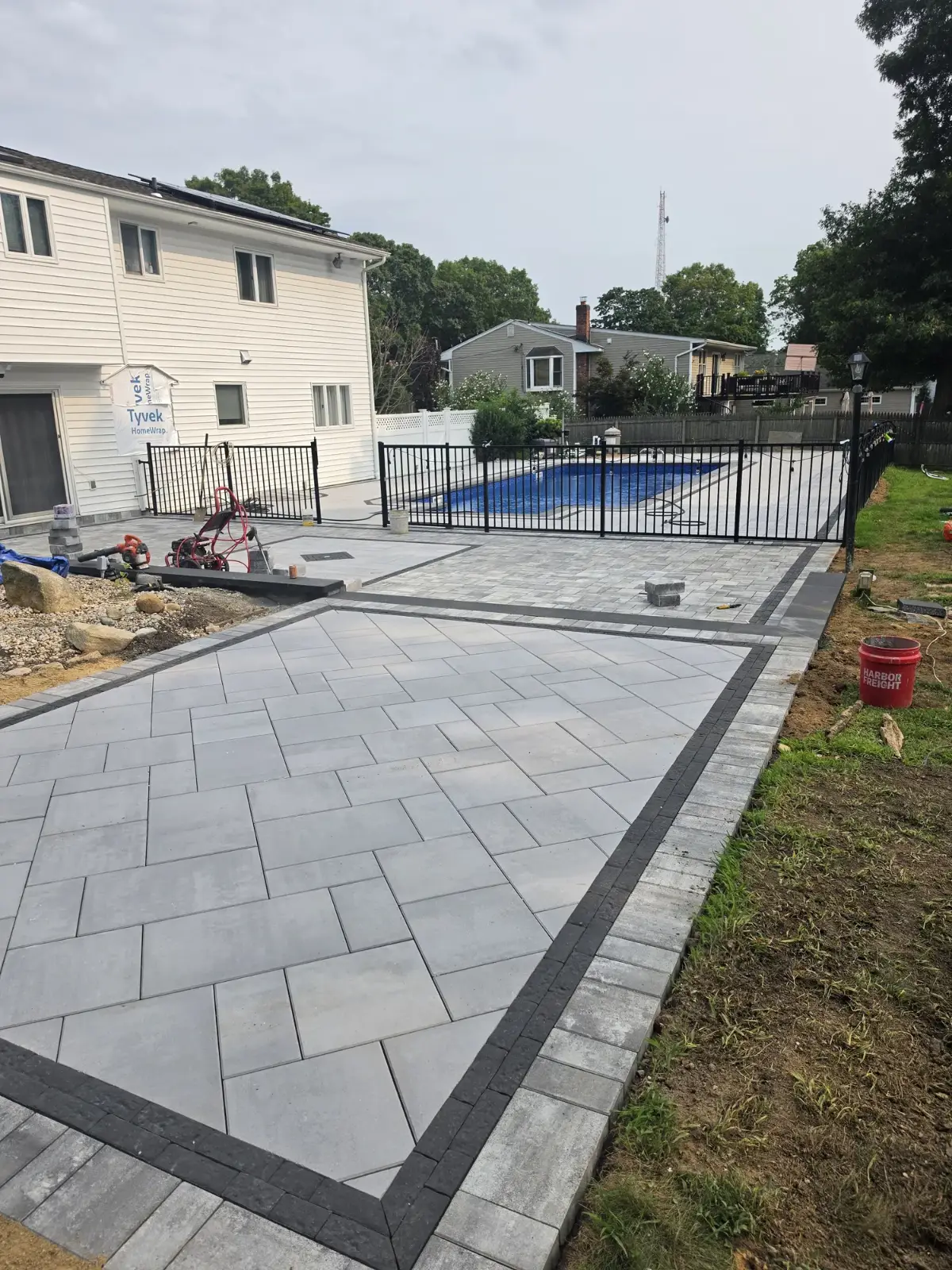
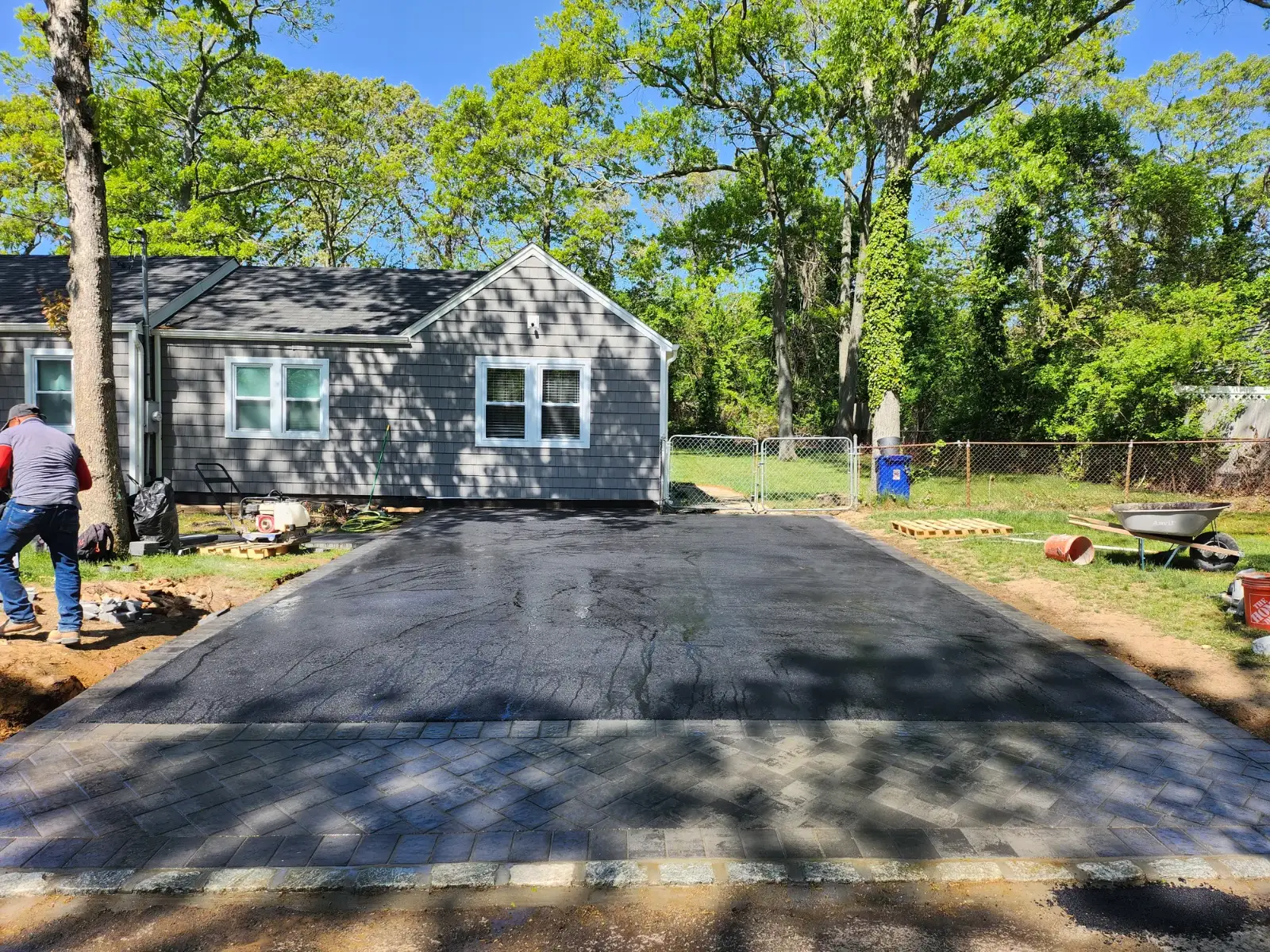
Pavers are the premium option in both cost and outcome. Concrete, brick, or natural stone pavers distribute load differently than a solid slab. When one paver settles or cracks, it can be replaced individually without disrupting the rest of the surface. This makes long-term repair straightforward and cost-effective compared to the alternatives. The design flexibility is unmatched. Pattern variations, color combinations, and border treatments allow results that concrete and asphalt simply cannot achieve.
Pavers handle freeze-thaw cycles well because the joints between individual units accommodate movement without surface-wide cracking. The primary barrier is the upfront investment, which often runs two to three times the cost of asphalt installation.
The Comparison That Makes the Decision Clearer
The table below compares the four most common driveway materials across the factors that matter most when making this decision.
| Feature | Asphalt | Concrete | Pavers | Gravel |
|---|---|---|---|---|
| Upfront Cost | $3–$7/sqft | $6–$12/sqft | $10–$30/sqft | $1–$3/sqft |
| Lifespan | 15–25 yrs | 30–50 yrs | 25–50+ yrs | 5–10 yrs |
| Maintenance | Moderate | Low–Mod | Low | High |
| Repairability | Easy | Difficult | Easy | Easy |
| Cold Climate | Good | Fair | Good | Poor |
| Curb Appeal | Basic | Clean | High | Minimal |
| Best For | Budget installs | Longevity | Aesthetics | Temp use |
The Budget-Friendly Answer That Still Gets the Job Done
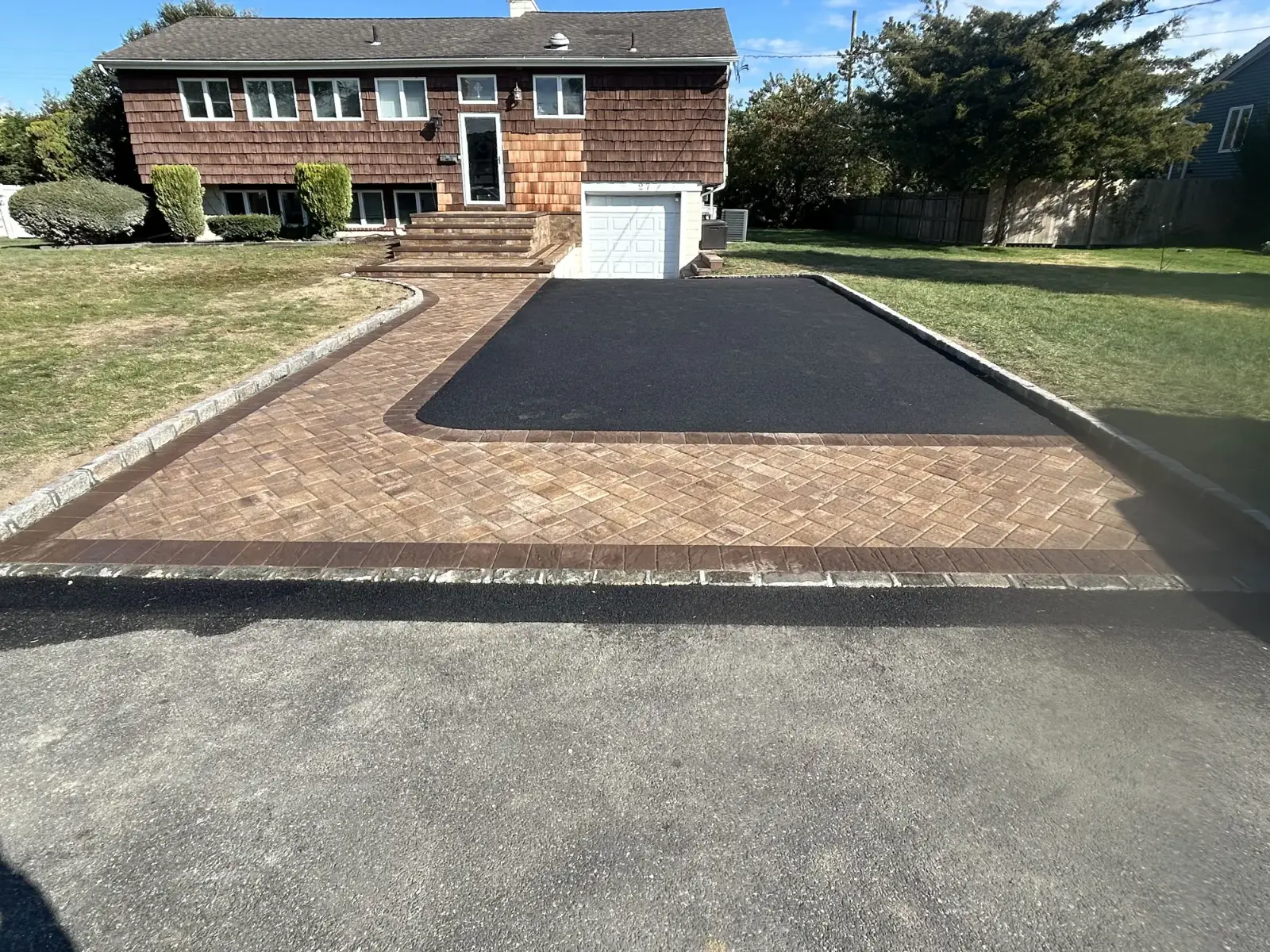
For homeowners who need a functional, presentable driveway within a tight budget, asphalt is the inexpensive driveway material that delivers without requiring a significant upfront investment.
Gravel costs even less to install, but requires frequent replenishment, offers no curb appeal, and creates tracking and drainage challenges over time. For a surface that looks intentional and performs reliably, asphalt is the practical starting point.
Concrete occupies the middle ground. Lower long-term maintenance requirements offset the higher initial cost. For someone planning to stay in a home for 15 or more years, concrete frequently ends up cheaper over time than asphalt when sealcoating, crack filling, and resurfacing costs are factored in.
How Long Island’s Climate Changes the Calculation
Freeze-thaw cycles affect each material differently. Asphalt expands and contracts somewhat flexibly, helping it survive temperature swings better than rigid concrete. But it is more vulnerable to salt penetration and summer softening. Concrete performs well structurally but is more susceptible to de-icing chemical damage without consistent sealing. Pavers handle both cold and heat better than solid slabs because the jointed construction allows movement without full-surface failure.
The Real Cost When You Look at 20 Years
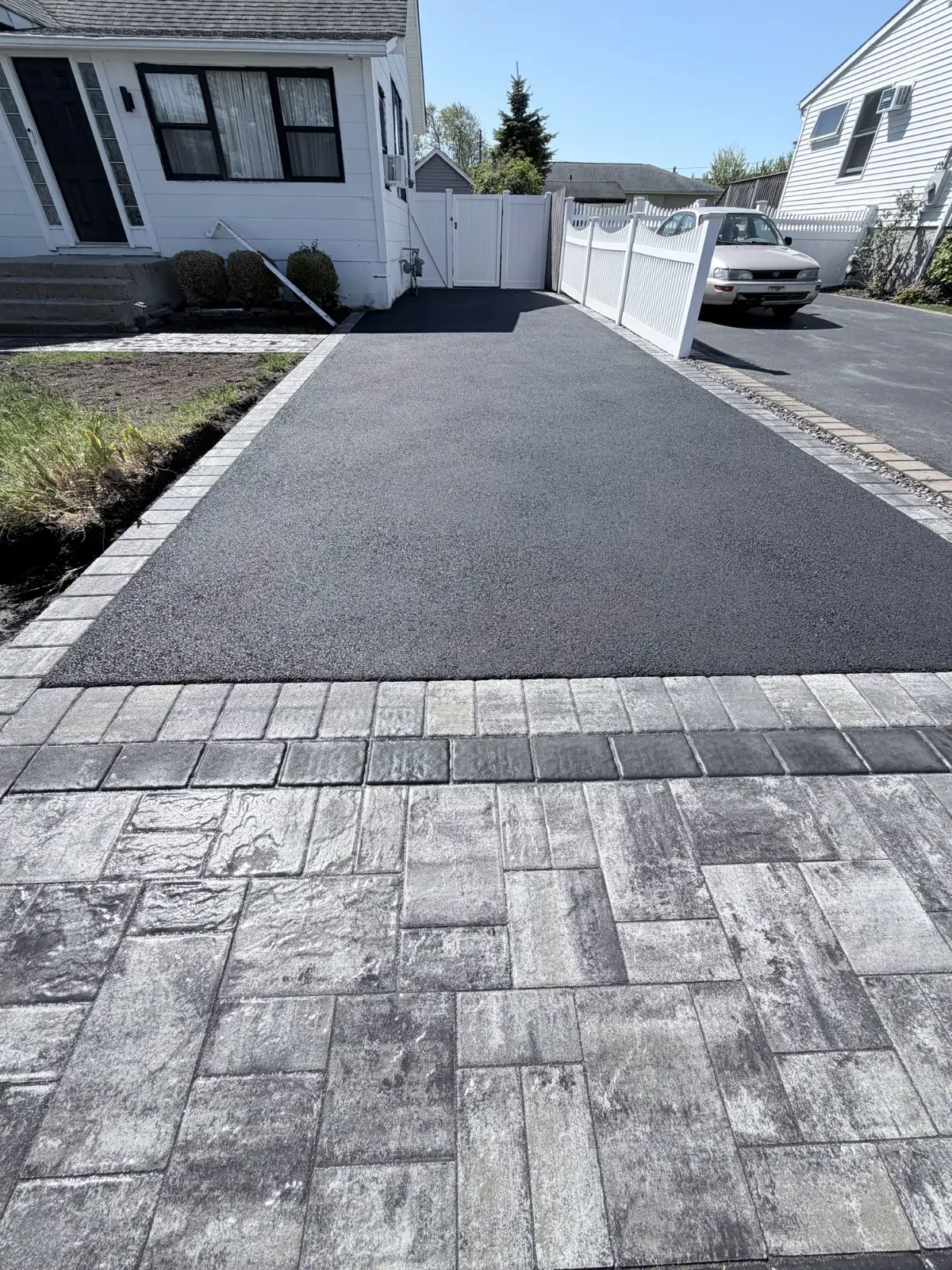
Upfront pricing tells only part of the story. Asphalt requires recurring sealcoating, crack filling, and eventual resurfacing. Over two decades, those costs accumulate significantly. Concrete requires less frequent intervention, but repairs are expensive when they are needed. Pavers carry the highest installation cost but demand the least maintenance over their lifespan. The best driveway material is the one that delivers the most value relative to how long a homeowner plans to stay, how involved they want to be in maintenance, and what their initial budget allows.
Matching the Material to What You Actually Need
Budget-conscious homeowners who need a clean, durable result quickly should start with asphalt. Homeowners focused on longevity without high ongoing maintenance tend to be better served by concrete. Those who want design flexibility, easy individual repair, and the best long-term performance should look seriously at pavers, even with the higher entry cost.
For Long Island properties, all three are viable with proper installation and climate-appropriate upkeep. Promaster Maintenance Corp works with homeowners across all three material types, helping them choose and install driveways that hold up as well as they look.