
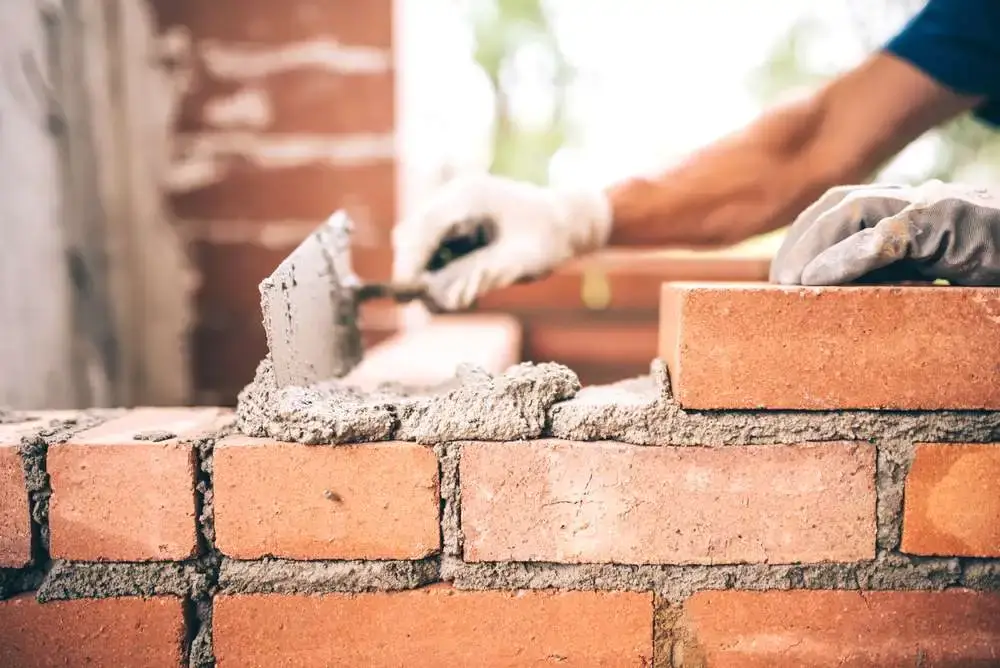
Masonry represents one of humanity’s oldest and most enduring construction techniques, involving the strategic assembly of individual units bound together through mortar or other adhesive substances.
This craft transforms raw materials into cohesive structures capable of withstanding tremendous forces while maintaining architectural integrity.
The fundamental principle revolves around distributing weight across multiple elements, creating a unified system that surpasses the strength of its individual components.
Essentially, masonry serves as the backbone for countless residential, commercial, and industrial edifices worldwide.
Materials Used in Masonry
Brick
Manufactured from fired clay or shale, bricks deliver exceptional durability and thermal performance. Their standardized dimensions facilitate precise construction while offering versatility in design applications. Additionally, bricks provide superior fire resistance and acoustic insulation properties.
Stone
Natural stone materials, including granite, limestone, sandstone, and marble, offer unparalleled aesthetic appeal and longevity. These geological formations have endured millennia of environmental exposure, making them inherently resilient against weathering and deterioration.
Concrete Blocks
Engineered concrete masonry units present cost-effective alternatives without compromising structural integrity. Their hollow cores accommodate reinforcement and insulation, enhancing overall building performance. Furthermore, concrete blocks expedite construction timelines through their larger dimensions.
Mortar
This binding agent comprises cement, sand, lime, and water in carefully calibrated proportions. Mortar not only secures individual units but also distributes compressive loads uniformly throughout the structure. Proper mortar selection ensures compatibility with surrounding materials and environmental conditions.
Where and How Masonry Is Used
Residential
Homeowners frequently incorporate masonry for exterior facades, chimneys, fireplaces, patios, and retaining walls. These applications enhance property values while providing functional benefits like temperature regulation and moisture control.
Commercial
Office buildings, retail establishments, and institutional facilities leverage masonry’s robustness for load-bearing walls, decorative cladding, and architectural accents. The material’s minimal maintenance requirements reduce long-term operational expenses.
Structural vs Decorative
Load-bearing masonry directly supports building weight, forming integral components of the structural framework. Conversely, veneer masonry serves primarily aesthetic purposes, attached to underlying support systems without bearing significant loads. Both applications demand meticulous craftsmanship to achieve desired outcomes.
Types of Masonry Construction
Brick Masonry
This traditional method employs fired clay units arranged in various bonding patterns. Common configurations include running bond, Flemish bond, and English bond, each offering distinct structural and visual characteristics. Brick masonry excels in residential construction, providing timeless elegance alongside dependable performance.
Stone Masonry
Utilizing quarried materials naturally, stone masonry divides into rubble and ashlar categories. Rubble masonry incorporates irregularly shaped stones, creating rustic appearances ideal for landscape features. Ashlar masonry employs precisely cut blocks, delivering refined finishes suitable for prestigious structures. Both techniques require specialized expertise to maximize material potential.
Concrete Block Masonry
Standardized concrete units streamline construction processes while maintaining structural reliability. Reinforced concrete block walls accommodate vertical steel rods and horizontal bond beams, creating formidable barriers against lateral forces. This methodology particularly benefits foundation work and commercial projects.
Composite Masonry
Combining multiple materials within a single assembly optimizes performance attributes. Perhaps brick facades backed by concrete blocks deliver aesthetic appeal with enhanced insulation.
Alternatively, stone veneer over structural framing achieves traditional appearances without associated weight penalties. These hybrid approaches balance competing priorities effectively.
Why Is Masonry Important in Construction?
Masonry construction offers unmatched durability, frequently outlasting alternative building methods by decades or centuries.
The material’s inherent fire resistance protects occupants and property from devastating losses. Thermal mass properties moderate interior temperatures, reducing energy consumption throughout operational lifespans.
Simultaneously, masonry withstands severe weather events, including hurricanes, tornadoes, and seismic activity, providing superior life safety protection.
Aesthetic Options & Masonry Finishes
Design possibilities span virtually limitless spectrums,
Encompassing colors
Textures
Patterns
Profiles
Architects specify smooth, textured, or split-face finishes to complement architectural visions.
Mortar joint styles —ranging from flush to concave to weathered—subtly influence overall character. Furthermore, innovative techniques like thin brick veneers and manufactured stone products expand creative horizons while respecting budgetary constraints.
Maintenance & Common Masonry Repairs
Periodic inspections identify deteriorating mortar joints, efflorescence deposits, or structural cracks requiring attention. Tuckpointing restores compromised joints, preventing moisture infiltration and progressive damage.
Cleaning protocols remove accumulated grime without harming underlying materials. Luckily, proactive maintenance extends service lives indefinitely, preserving both functionality and appearance.
Disadvantages of Masonry Construction
- Higher material and labor costs compared to frame construction
- Skilled labor requirements can increase overall expenses
- Heavy materials may require stronger, more costly foundations
- Weather conditions can delay construction due to curing needs
Which Type of Masonry Structure Is The Best?
Optimal selections depend entirely upon project-specific parameters, including budget, aesthetic preferences, structural demands, and environmental factors. Promaster Maintenance Corp evaluates each situation comprehensively, recommending solutions aligned with client objectives.
Brick masonry suits traditional residential applications prioritizing curb appeal. Stone masonry elevates luxury properties, demanding distinguished presentations. Concrete block construction serves utilitarian requirements emphasizing efficiency and economy.
Ultimately, informed decisions balance competing considerations, achieving results that satisfy immediate needs while anticipating future requirements.