
When a driveway gets torn out, most homeowners stop thinking about it the moment the trucks pull away. What happens to that old pavement is rarely questioned. Yet the idea of reusing it makes people uneasy.
Is it reliable, or is it cutting corners?
That uncertainty is why so many homeowners start asking how to recycle asphalt in the first place. No one wants a surface that looks fine on day one and breaks down a year later. The real concern is trust.
Recycled materials sound smart, but only if they hold up under weather, traffic, and time. Understanding what happens behind the scenes matters more than most people realize.
The Removal Process Sets Everything in Motion
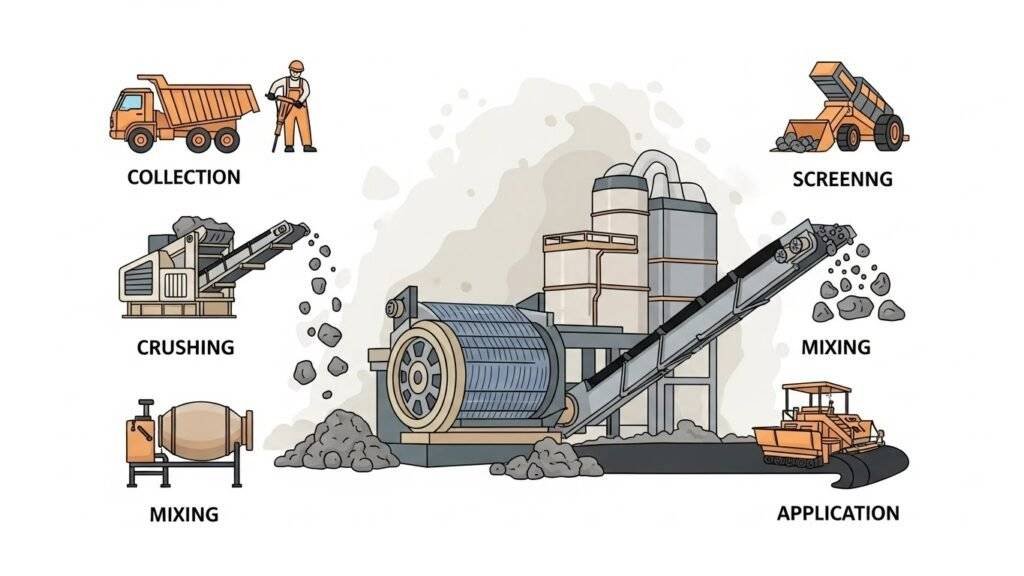
Recycling starts before anything gets crushed. Milling machines scrape off the top layer cleanly without tearing up the base.
They preserve the asphalt’s structure.
This keeps the material reusable.
Sloppy removal damages it.
Careful removal keeps it intact.
The quality of recycled asphalt depends heavily on this first step.
If the removal is rushed, the material loses value before it even reaches the recycling facility.
Crushing and Screening Prepare It for Reuse
Once removed, the asphalt gets transported to a processing plant. It’s crushed into smaller, uniform pieces. Contaminants like dirt and concrete are filtered out. Size consistency matters here. Uneven material doesn’t compact well. It creates weak spots. Proper screening ensures every piece is the right size for reuse. This stage turns old pavement into clean, workable material ready for the next step.
Rejuvenation Makes Old Asphalt Act Like New
Many people assume recycled means weaker. That’s not true when it’s done correctly. Rejuvenating agents are mixed into the crushed asphalt. These restore flexibility. They improve bonding.
They bring back the properties that made the asphalt strong in the first place. This is the key to understanding how to recycle asphalt without losing performance. The material isn’t just reused. It’s renewed.
Blending Requires Precision, Not Guesswork
Recycled asphalt gets mixed with precision. Too much recycled content weakens the structure. Too little wastes the opportunity. Professional mixing balances strength and sustainability. The ratios depend on the project. Driveways handle it differently than parking lots.
At Promaster Maintenance Corp, we test and adjust mixtures based on what the surface will endure. That’s how recycled asphalt meets the same standards as new material.
Installation Demands the Same Expertise as Fresh Asphalt
Using recycled material doesn’t make installation easier. It requires the same skill. Grading has to be accurate. Compaction has to be thorough. Temperature control matters just as much. Cutting corners here ruins even the best recycled mix.
When installed properly, it delivers a smooth, durable finish that handles daily traffic without breaking down. We approach every recycled asphalt project with the same care as a new installation because anything less fails.
Why Recycled Asphalt Works for Residential Driveways
It handles weight. It resists cracking. It performs well in changing weather. It also keeps material out of landfills. Fewer raw resources get pulled from the ground. That makes it a responsible choice without sacrificing quality.
People want to know how to recycle asphalt because they’re looking for options that don’t compromise. When the process is handled correctly, recycled asphalt delivers both performance and environmental benefit.
When Recycled Asphalt Makes Sense for Your Project
Not every driveway qualifies. The base needs to be stable. Drainage needs to work properly. If the foundation is shifting or water pools constantly, recycled asphalt won’t fix that. It performs best when the underlying structure is sound.
Professional evaluation determines if it’s the right fit. We assess the condition before recommending recycled material. That’s how you get a result that lasts instead of one that fails in a year.
Recycling Asphalt Is Smarter Than It Sounds
Recycling asphalt is not about cutting corners. It is about using proven materials in a smarter way. When handled correctly, old asphalt becomes a reliable paving solution that delivers long-term strength while reducing unnecessary waste.
The key is proper handling from removal to installation. Recycled asphalt isn’t a compromise. It’s a legitimate option that performs when done right.
If you’re planning a driveway project, recycled asphalt deserves serious consideration as a practical, modern paving solution that holds up under real use.