
Expert Advice on Brick Masonry and Driveway Installation
Explore brick masonry and driveway installation in North Babylon, including repairs, costs, materials, and integrated paving solutions.
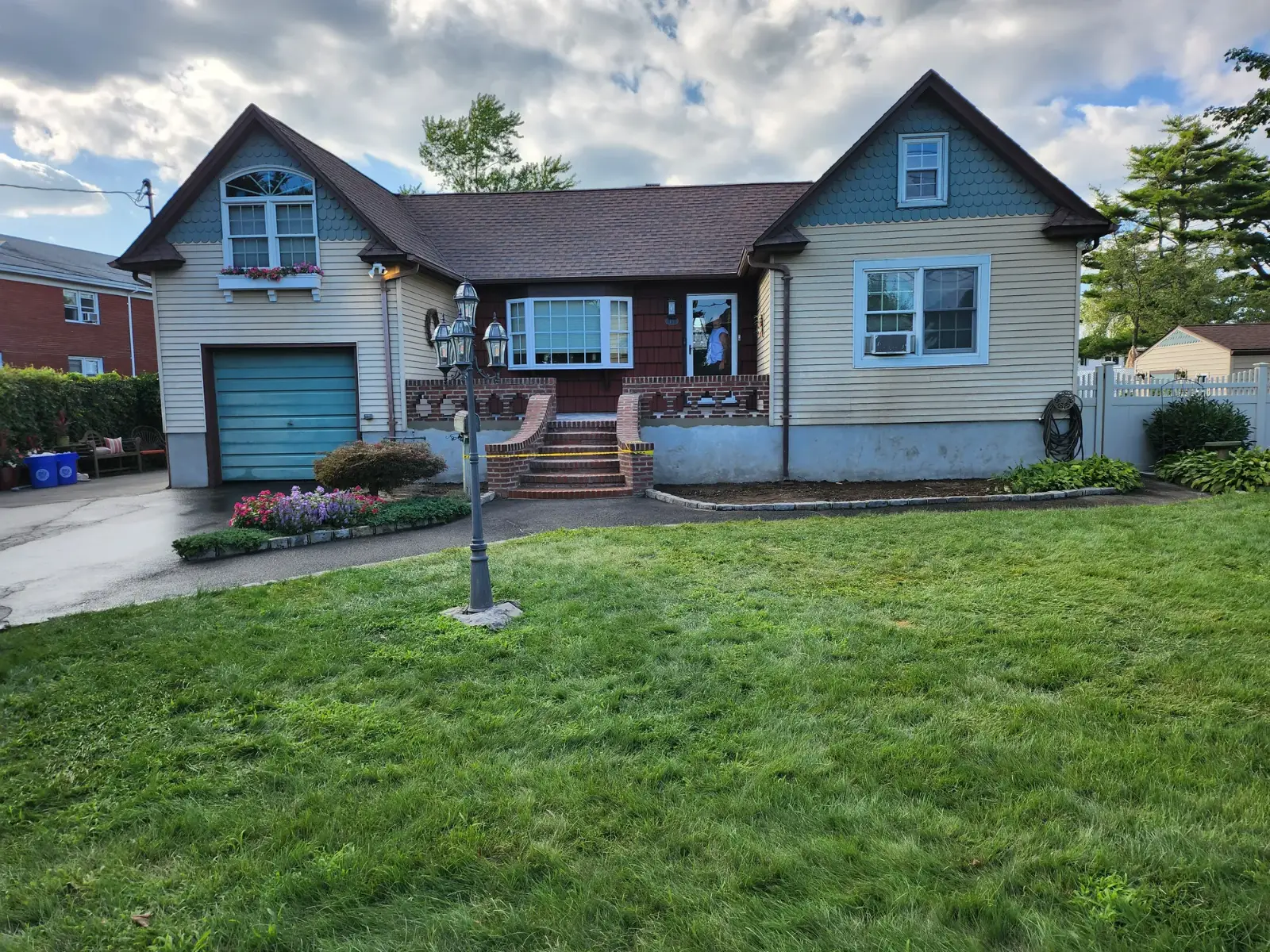
Your brick walkway looks like a puzzle assembled by someone wearing a blindfold. Gaps have widened, edges have crumbled, and the whole thing shifts ominously when you walk across it. Asphalt driveway paving might seem unrelated, but the same contractors often handle both surfaces with overlapping expertise.
North Babylon homeowners juggle multiple exterior maintenance priorities simultaneously. Brick masonry fails from mortar erosion, foundation settling, and moisture intrusion. Furthermore, driveways crack from thermal cycling, base erosion, and tree root invasion.
Addressing these problems separately wastes money and creates mismatched aesthetics. Integrated solutions from qualified experts restore both function and visual harmony. The key is finding professionals who genuinely understand both trades rather than subcontractors who barely communicate.
Paving & Masonry Experts
True Paving & Masonry Experts possess cross-trained knowledge of hardscape systems. They understand how water flows across paved surfaces and infiltrates masonry walls. Furthermore, they coordinate grades and elevations so driveways drain properly without undermining adjacent brickwork.
These specialists handle everything from permeable paver installations to historic brick restoration. They specify appropriate mortar types, bedding materials, and edge restraints for each application. Moreover, Paving & Masonry Experts plan construction sequences that minimize disruption.
North Babylon Brick Masonry
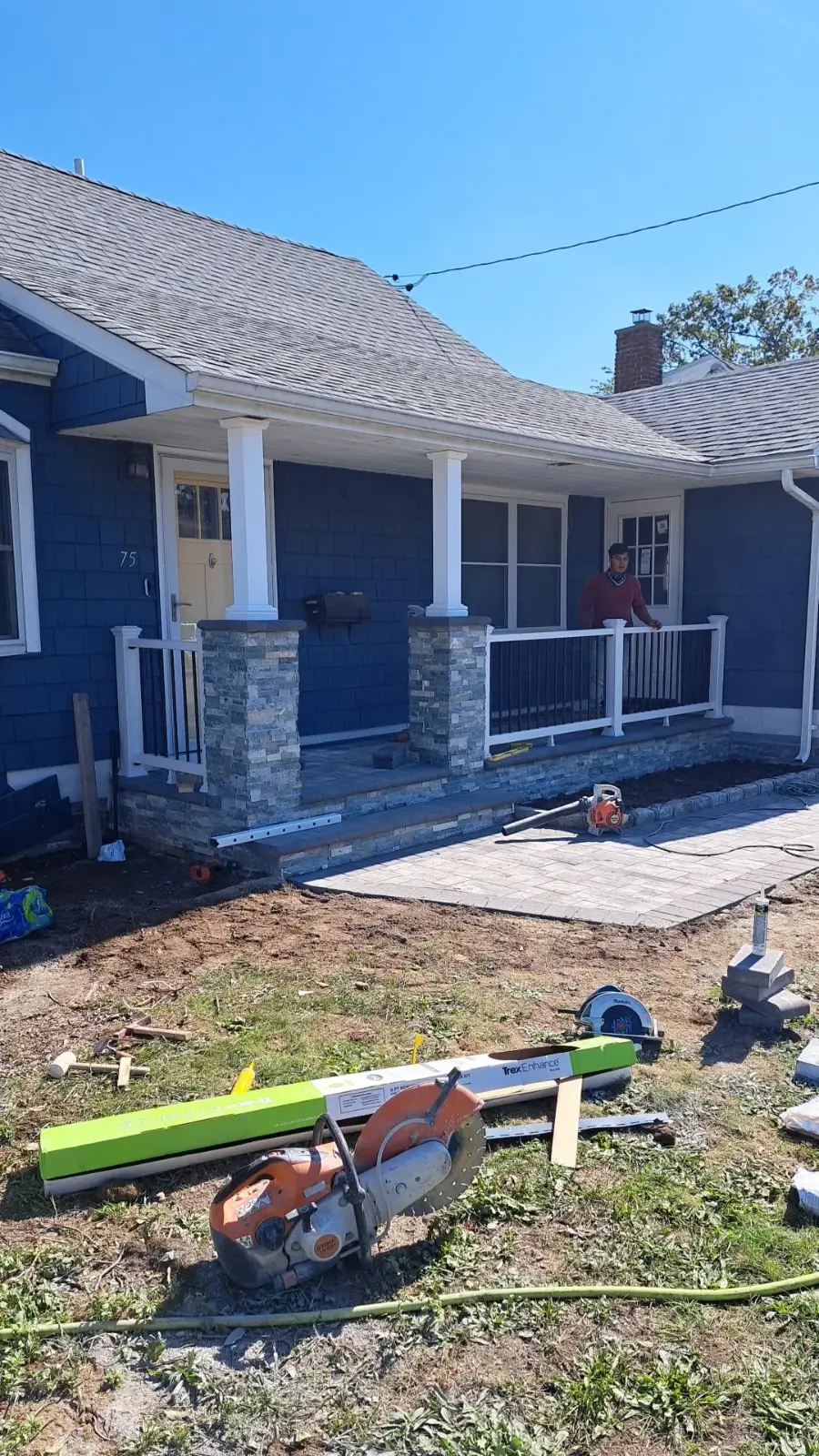
Brick construction dominates Long Island architecture for good reason. The material withstands coastal weather, provides excellent fire resistance, and ages beautifully. Furthermore, North Babylon Brick Masonry projects add significant resale value when executed correctly.
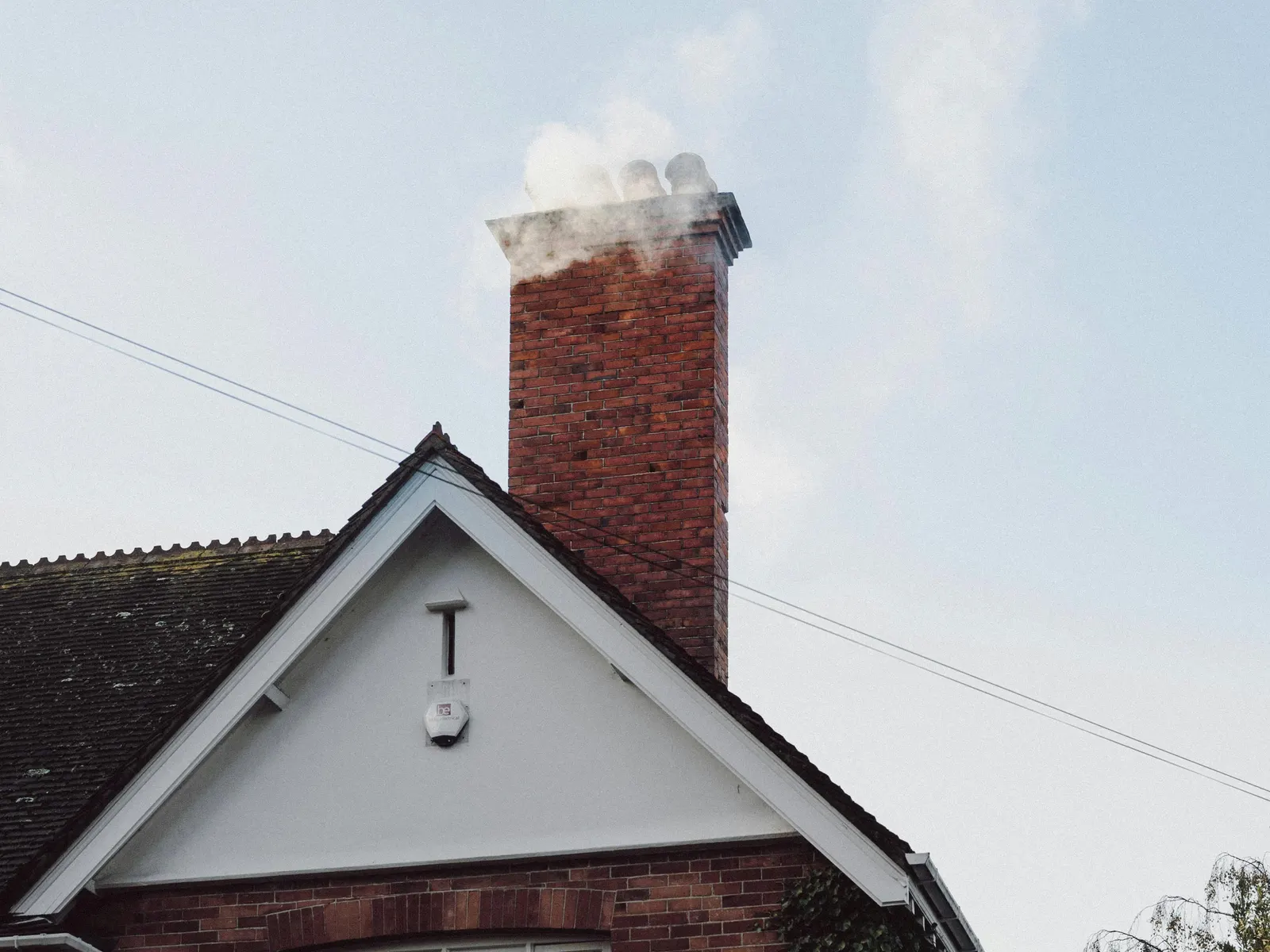
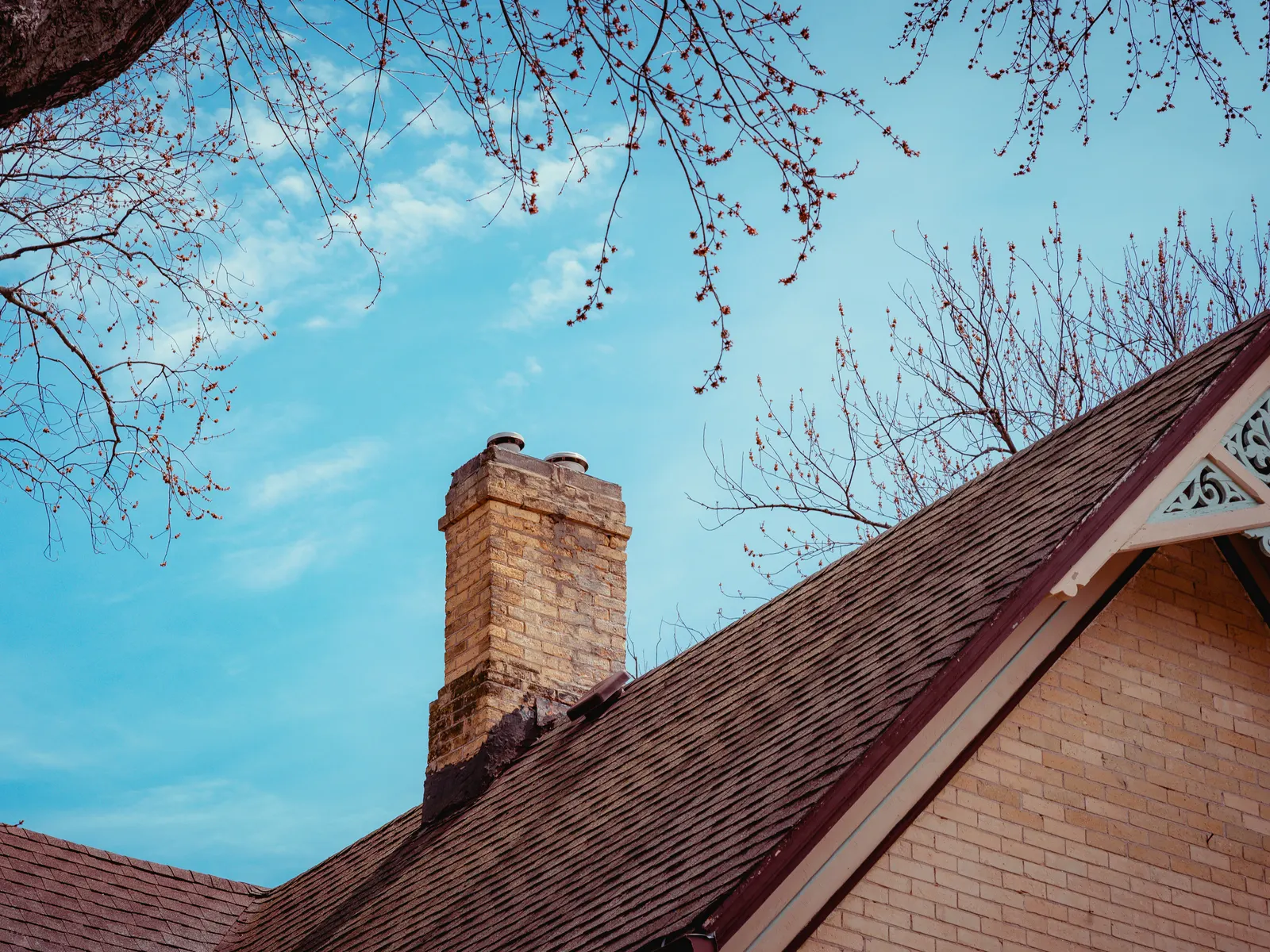
Common applications include facades, chimneys, garden walls, and outdoor living features. Each requires different mortar specifications and installation techniques. Additionally, North Babylon Brick Masonry specialists source materials that match existing construction for seamless repairs.
Driveway Installation and Repair
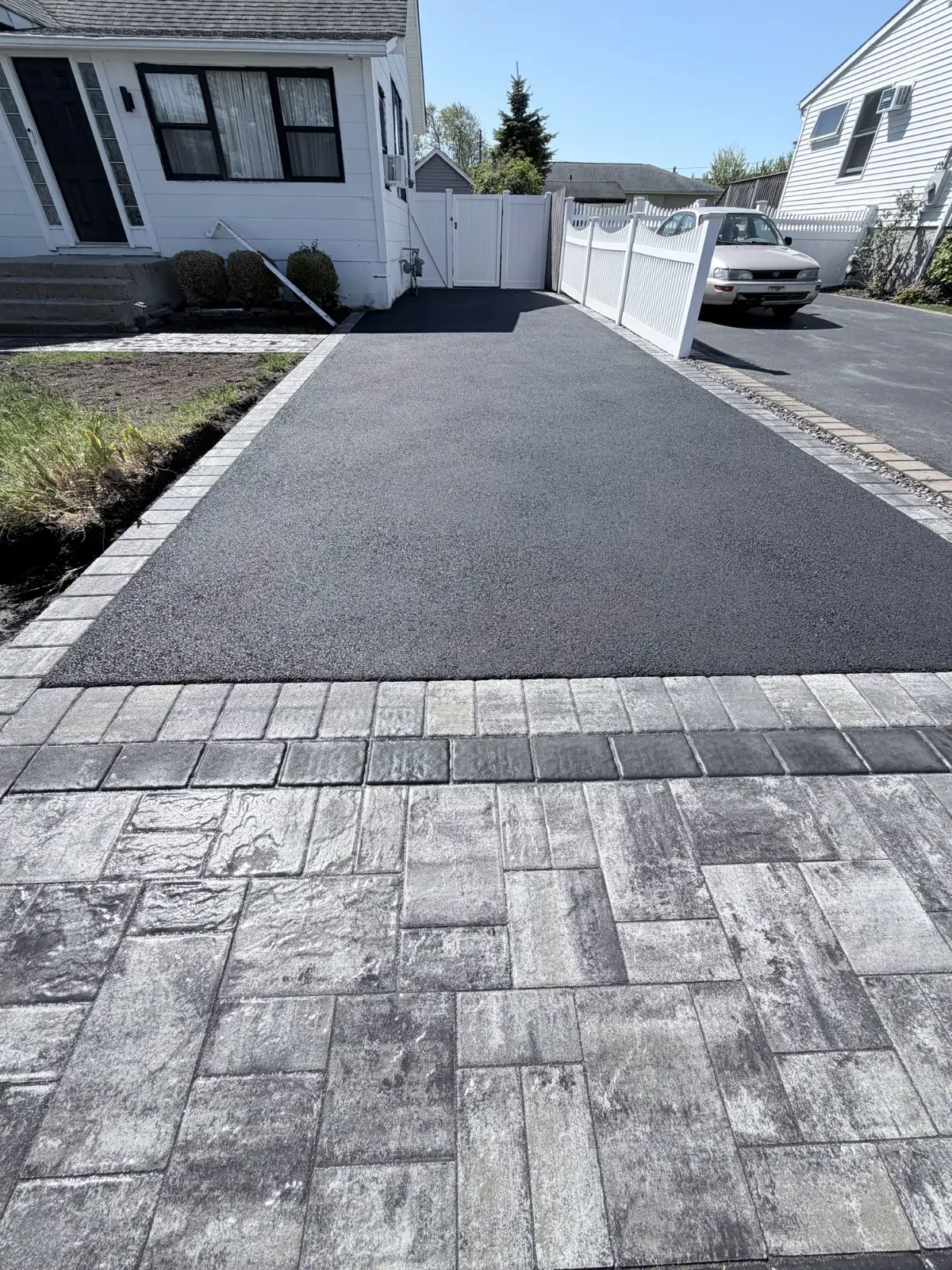
New Driveway Installation and Repair projects begin with thorough site evaluation and soil testing. Clay soils common in parts of Suffolk County require deeper base preparation and geotextile reinforcement. Furthermore, proper slope calculation prevents ponding that undermines adjacent masonry.
Material selection depends on expected traffic, aesthetic preferences, and maintenance commitment. Asphalt offers flexibility and lower initial cost. Concrete provides longevity and customization options. Moreover, pavers deliver premium aesthetics with individual unit replaceability.
Why Integrated Service Matters
Hiring separate paving and masonry contractors creates coordination nightmares. One crew damages the other’s work, schedules conflict, and blame-shifting becomes inevitable. Furthermore, design inconsistencies emerge when two companies interpret plans differently.
Integrated providers assign project managers who oversee all trades. They sequence work logically and protect completed sections. Moreover, single-source accountability means one call resolves any issues.
The Construction Process
Site preparation includes utility marking, vegetation removal, and rough grading. Excavation depths vary by material choice and soil conditions. Furthermore, base installation requires compaction testing to verify adequate density.
Masonry work follows precise layout lines with frequent level and alignment checks. Mortar mixing consistency affects both strength and appearance. Additionally, curing protection prevents rapid drying that weakens joints.
Cost Considerations
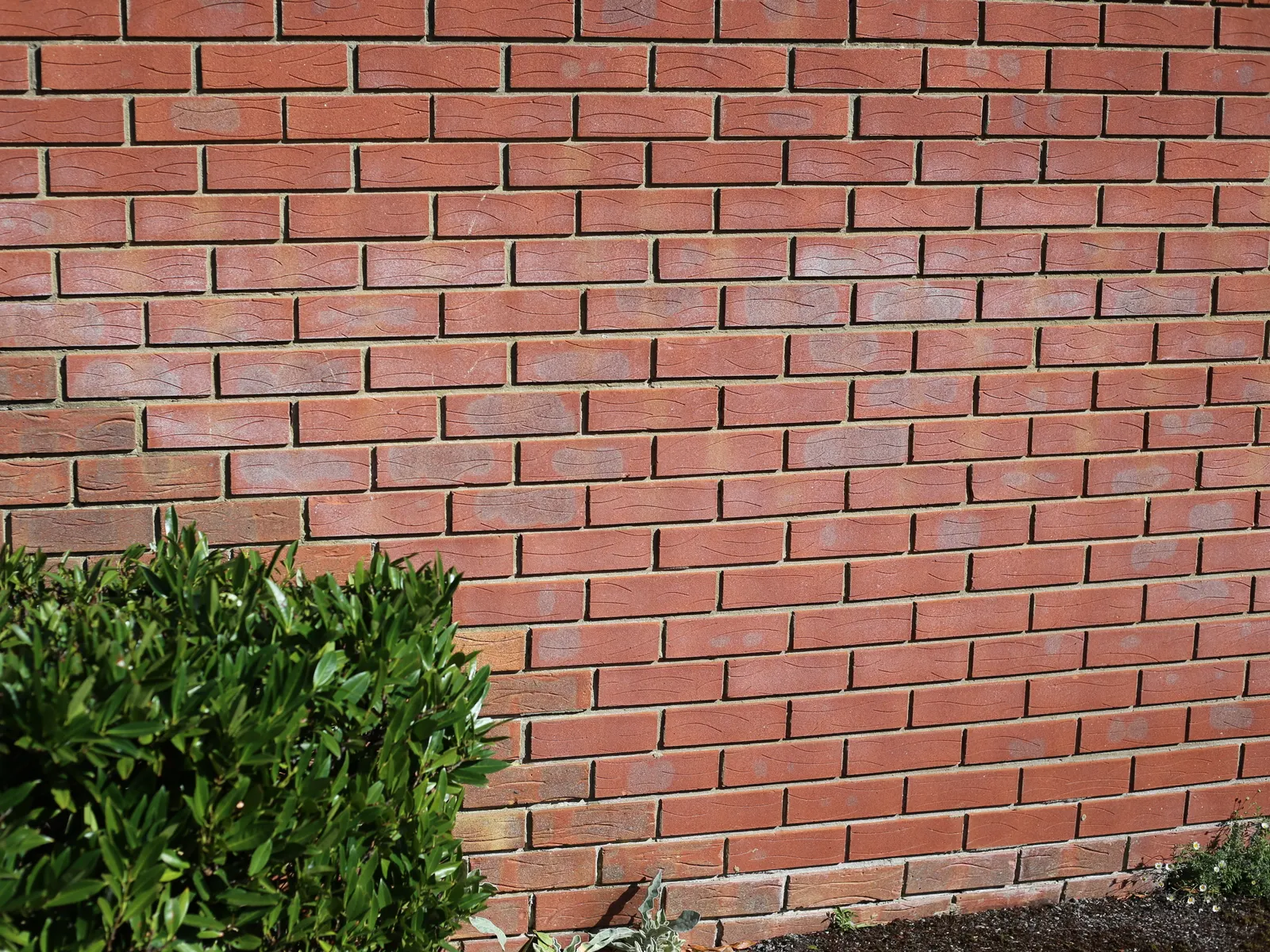
Brick masonry repairs typically cost between fifteen and thirty dollars per square foot. New driveway installations range from four to twelve dollars per square foot depending on material. Furthermore, combined projects often qualify for package pricing.
Emergency repairs cost more than scheduled maintenance. Winter work requires cold weather protocols and heated enclosures. Moreover, material availability affects pricing for specialty or imported brick.
Conclusion
Exterior hardscapes demand coordinated expertise that few single-trade contractors provide. Integrated paving and masonry services deliver better results with less hassle. Your property deserves professionals who see the big picture.
Promaster Maintenance Corp employs skilled masons and pavers who collaborate seamlessly on every project. Their integrated approach saves time, money, and frustration. Contact them today for comprehensive exterior solutions.
Frequently Asked Questions
What are the cons of brick driveways?
Brick surfaces cost more initially and require periodic joint maintenance. Weeds grow between units if sand joints erode. Furthermore, uneven settling creates trip hazards without proper base preparation.
What are common brick masonry failures?
Mortar erosion, efflorescence, and spalling represent the most frequent issues. Water infiltration causes most problems through freeze-thaw cycles. Additionally, improper original construction accelerates deterioration.
Should bricks be wet before laying?
Moderate dampening prevents rapid moisture absorption from fresh mortar. Extremely wet bricks float and compromise bond strength. Ultimately, experienced masons judge moisture content by feel and appearance.
Does temperature matter when laying brick?
Work should occur between forty and ninety degrees Fahrenheit for optimal mortar curing. Extreme heat causes rapid drying while freezing prevents proper hydration. Furthermore, wind exposure affects curing rates significantly.