

Chimney Company West Bay Shore: Repair, Cleaning & Cap Installation
Salt Air Breaks It Down We Build It Back Up
Most chimney problems don’t announce themselves. A cracked flue liner, deteriorating mortar joints, a cap that’s shifted enough to let water in, none of it is visible from the ground, and none of it feels urgent until there’s water damage on a ceiling or smoke backing into a room. By that point, a small fix has turned into a significant one.
Chimney Repair
Chimney repair west Bay Shore calls we handle most often:
- Spalling brick: face of the brick breaking off due to moisture infiltration and freeze-thaw damage
- Deteriorated mortar joints: tuckpointing required to restore structural integrity
- Cracked or damaged flue liner: critical for safe venting of combustion gases
- Flashing failures: where the chimney meets the roof, one of the most common residential leak sources
- Leaning or separating chimney structure: a foundation issue that worsens if left alone
- Water damage to the smoke chamber or firebox interior
Not all chimney repairs carry the same urgency. A failing flue liner is a safety issue, combustion gases need a clear, intact path out. Spalling brick is structural and compounds over time. We tell you what needs attention now and what can wait.
Chimney Cleaning & Sweeping
Chimney cleaning and sweeps Bay Shore, maintenance most homeowners do less frequently than they should.
Creosote builds inside the flue every time wood burns. Stage one brushes out easily. Stage two is harder and flakier. Stage three is glazed creosote, a fire hazard requiring chemical treatment before removal can even start. The longer cleaning gets deferred, the more involved it becomes.
What’s Included:
- Full interior inspection before cleaning begins
- Creosote removal from flue liner, smoke chamber, and firebox
- Debris and blockage clearance, nesting material included
- Assessment of cap, damper, crown, and liner condition
- Written report of findings after each service
Annual cleaning is standard for actively used fireplaces. Unused chimneys still need inspection, birds find idle flues convenient, and nesting blockages are more common than expected.
Chimney Cap Installation & Replacement
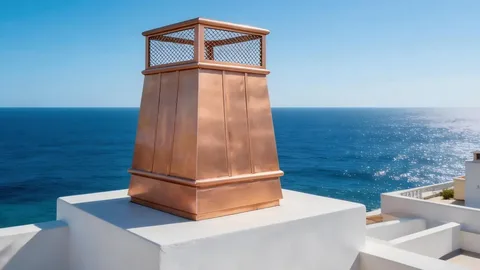
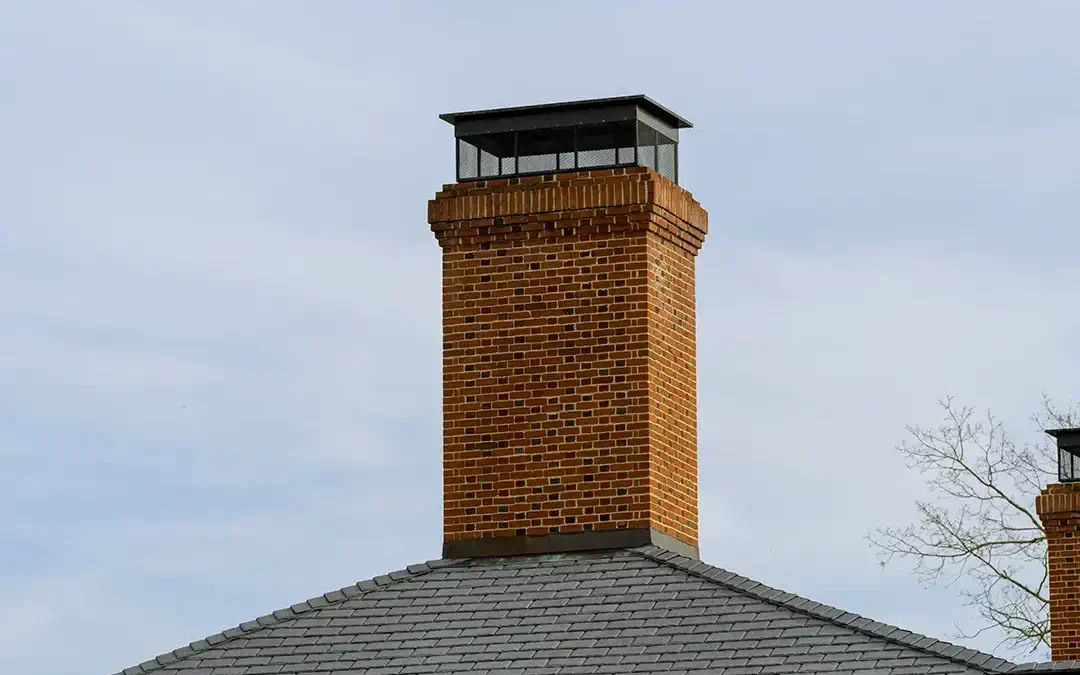
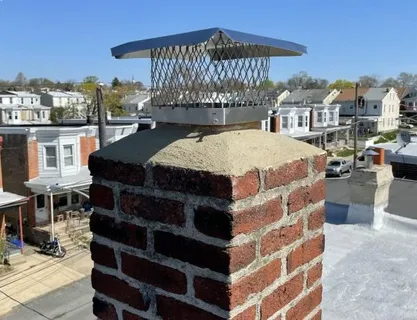
Chimney cap installation and replacement Bay Shore is one of the highest-return maintenance items on any chimney system.
A properly fitted cap keeps rain, snow, birds, and debris out of the flue. Without one, water enters on every rain event, accelerating liner deterioration, damper corrosion, and masonry breakdown inside the smoke chamber. In a coastal environment with salt-laden moisture and above-average rainfall, an uncapped chimney ages visibly faster.
Caps also include spark-arresting mesh, required by code in many areas for wood-burning fireplaces.
We size caps to the specific flue. One that doesn’t fit correctly either leaks at the edges or restricts draft. We also replace caps that have rusted, shifted, or lost mesh integrity.
Full Chimney Services
As a chimney services bay shore provider, we cover the complete system:
- Crown repair and rebuilding: cracks in the concrete crown let water reach the masonry below
- Damper repair and replacement: a damper that doesn’t seal loses heat in winter, conditioned air in summer
- Waterproofing: vapor-permeable sealant lets moisture out while blocking rain penetration
- Firebox repair: refractory panels and mortar joints take direct heat and need periodic replacement
Coastal Conditions and Your Chimney
As a chimney company west Bay Shore homeowners contact for masonry work near the water, we see deterioration rates that catch people off guard. Mortar joints that last 20 years inland start showing separation in half that time. Metal components corrode faster in salt air. Brick that isn’t sealed against moisture infiltration spalls through freeze-thaw cycles within a few seasons.
We use materials rated for coastal exposure, specify stainless steel caps where galvanized metal would corrode, and seal masonry that needs it. Costs a little more upfront, extends service life considerably.
Our Clients Google Reviews
Schedule a Chimney Inspection or Service
Frequently Asked Questions
How often should a chimney be inspected?
Annually, at minimum, used or not. NFPA 211 recommends yearly inspections, and coastal conditions here make that more important, not less.
Can a cracked flue liner be relined instead of replaced?
Often yes. Stainless steel liner inserts or cast-in-place systems can restore a damaged flue without demolition. Whether relining or replacement makes sense depends on damage extent and what’s being vented.
Is chimney waterproofing worth it in this area?
Yes. Standard brick is porous. Moisture gets in, freezes, expands, and breaks the face off the brick. Waterproofing slows that cycle significantly, and it costs far less than rebuilding spalled sections later.
What causes chimney leaks most often?
Flashing failure is the most common culprit, where the chimney meets the roofline. Crown cracks and missing or ill-fitting caps are close behind. We identify the actual source before any repair work starts.