
Residential Paving Tips from Long Island Asphalt Contractors
Learn essential asphalt paving tips for Long Island homes, including installation, maintenance, costs, and how to choose the right paving contractor.
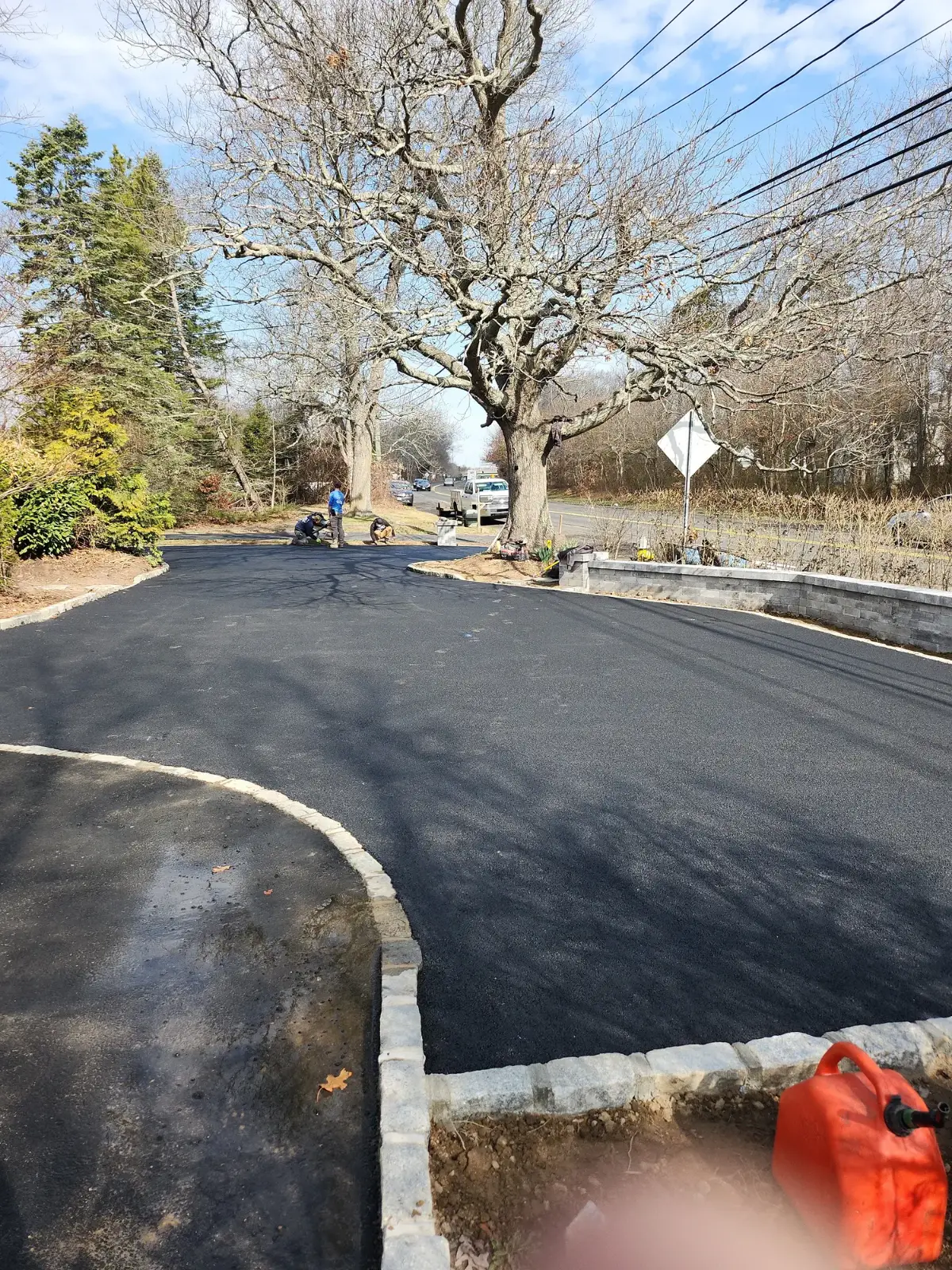
Your asphalt driveway looked perfect last summer, and now it resembles a lunar surface. Cracks spiderweb across the surface, weeds sprout from every joint, and that smooth black finish has faded to depressing gray. Asphalt Paving Long Island properties requires understanding local climate challenges that destroy poorly installed surfaces.
Long Island weather swings from humid summers to freezing winters with minimal transition. Those extremes punish asphalt that lacks proper base depth and drainage. Furthermore, salt exposure from coastal air and road treatments accelerates binder breakdown.
Homeowners often assume driveways are install-and-forget features. The reality is that proper installation, timely maintenance, and smart usage patterns determine whether your surface lasts fifteen years or five. Education saves thousands in premature replacement costs.
Paving Company Long Island
Selecting a Paving Company Long Island residents trust starts with verifying credentials and local experience. Fly-by-night operators appear every spring with leftover material from commercial jobs. Furthermore, legitimate Paving Company Long Island operations carry full insurance and bonding.
Local knowledge separates quality contractors from traveling crews. Suffolk County soil conditions, drainage requirements, and permit processes vary by municipality. Moreover, established Paving Company Long Island providers understand which mix designs perform best in coastal environments.
Commercial Paving, Residential Paving
Both project types demand technical precision but scale differently. Commercial Paving requires engineered base designs that handle delivery trucks and constant traffic. Furthermore, parking lot striping, ADA compliance, and drainage calculations add complexity.
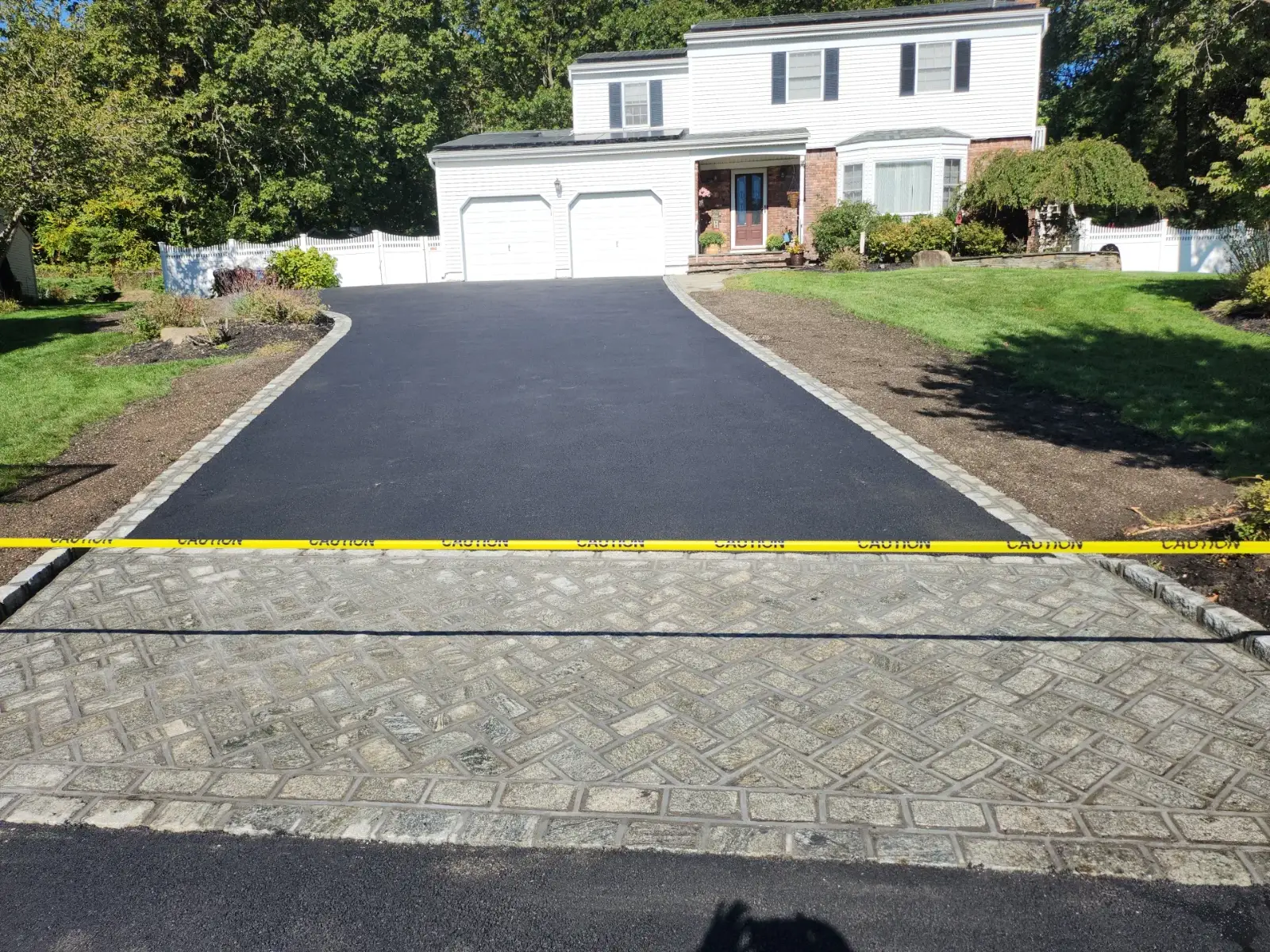
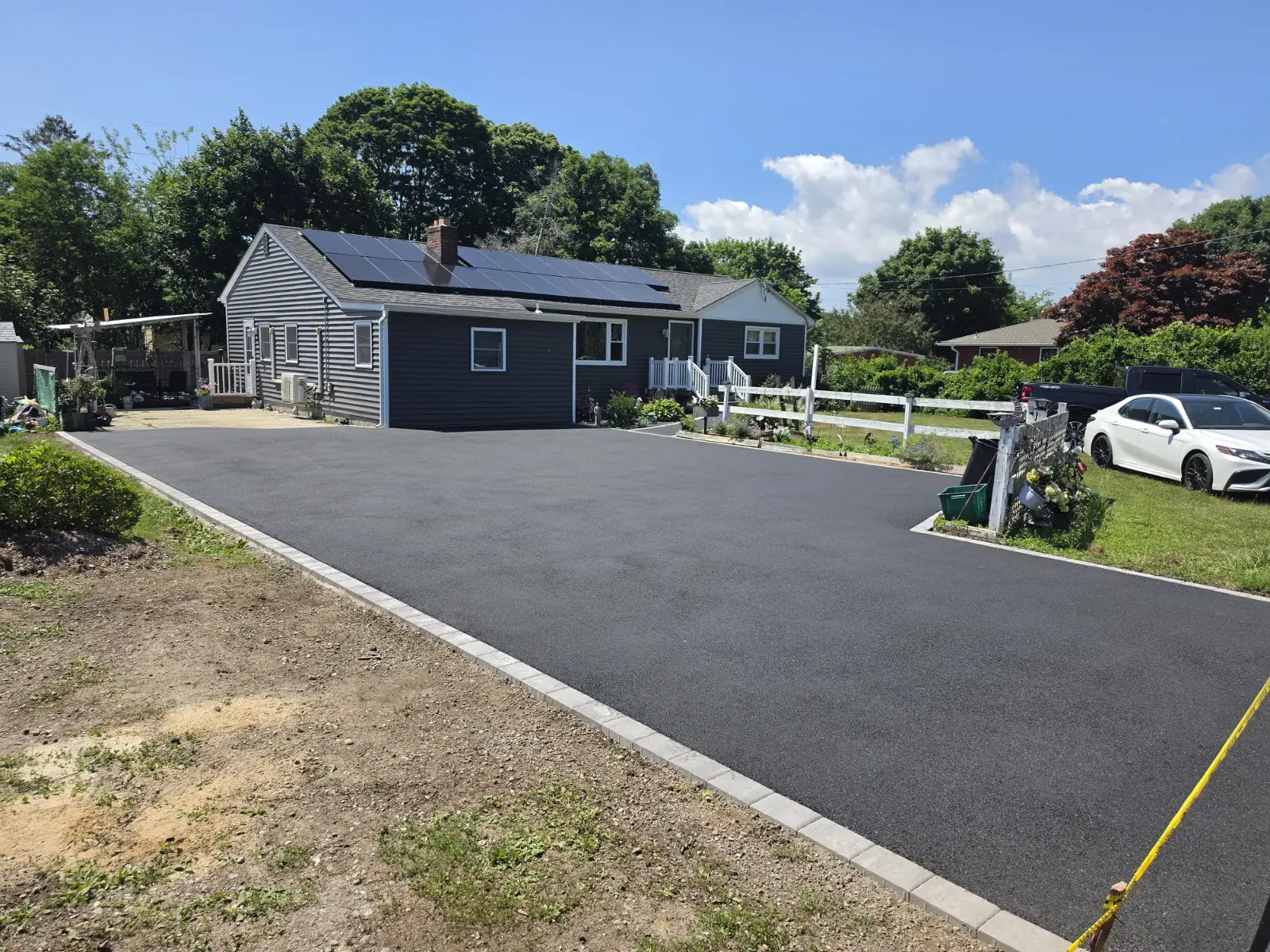
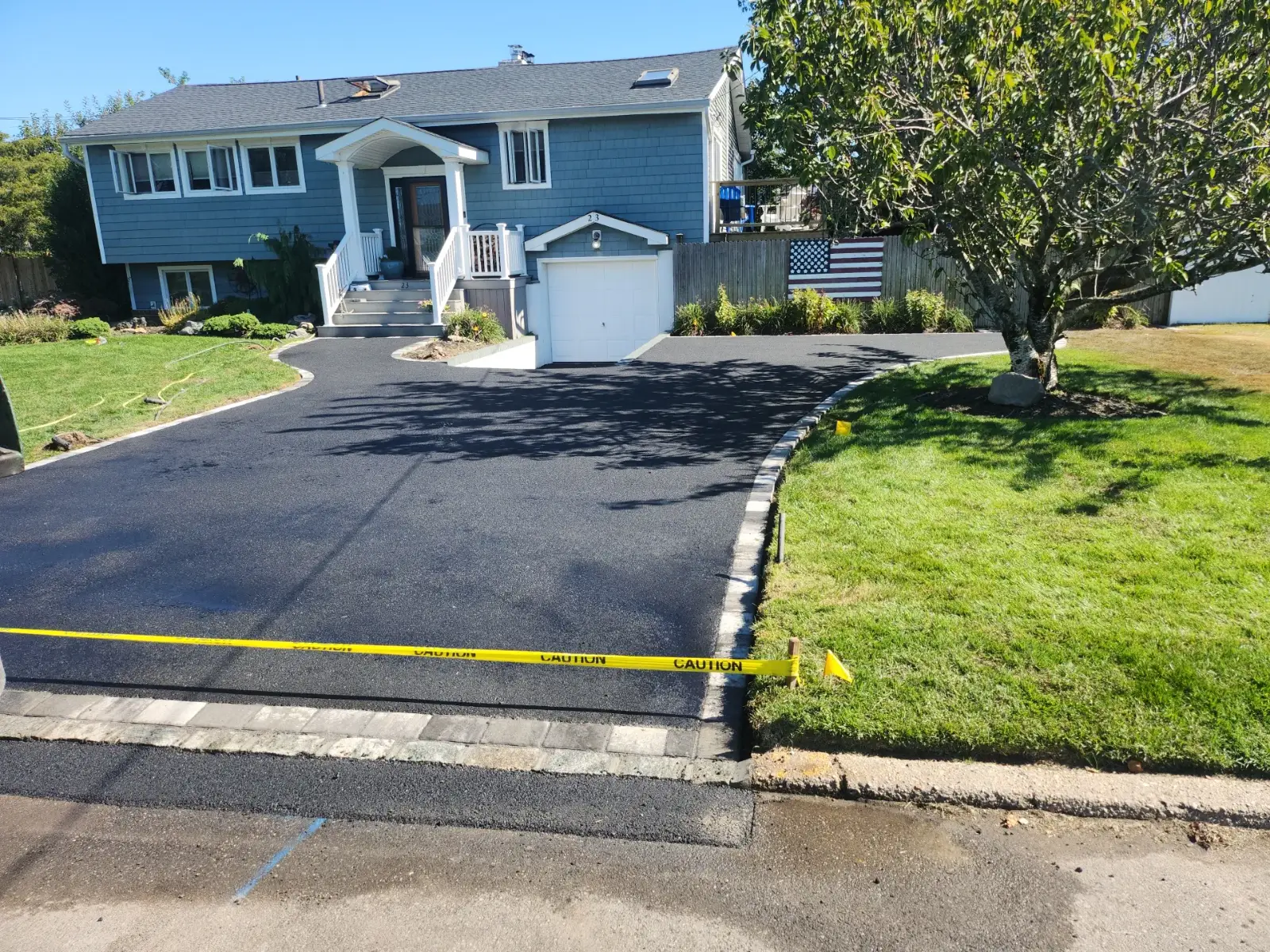
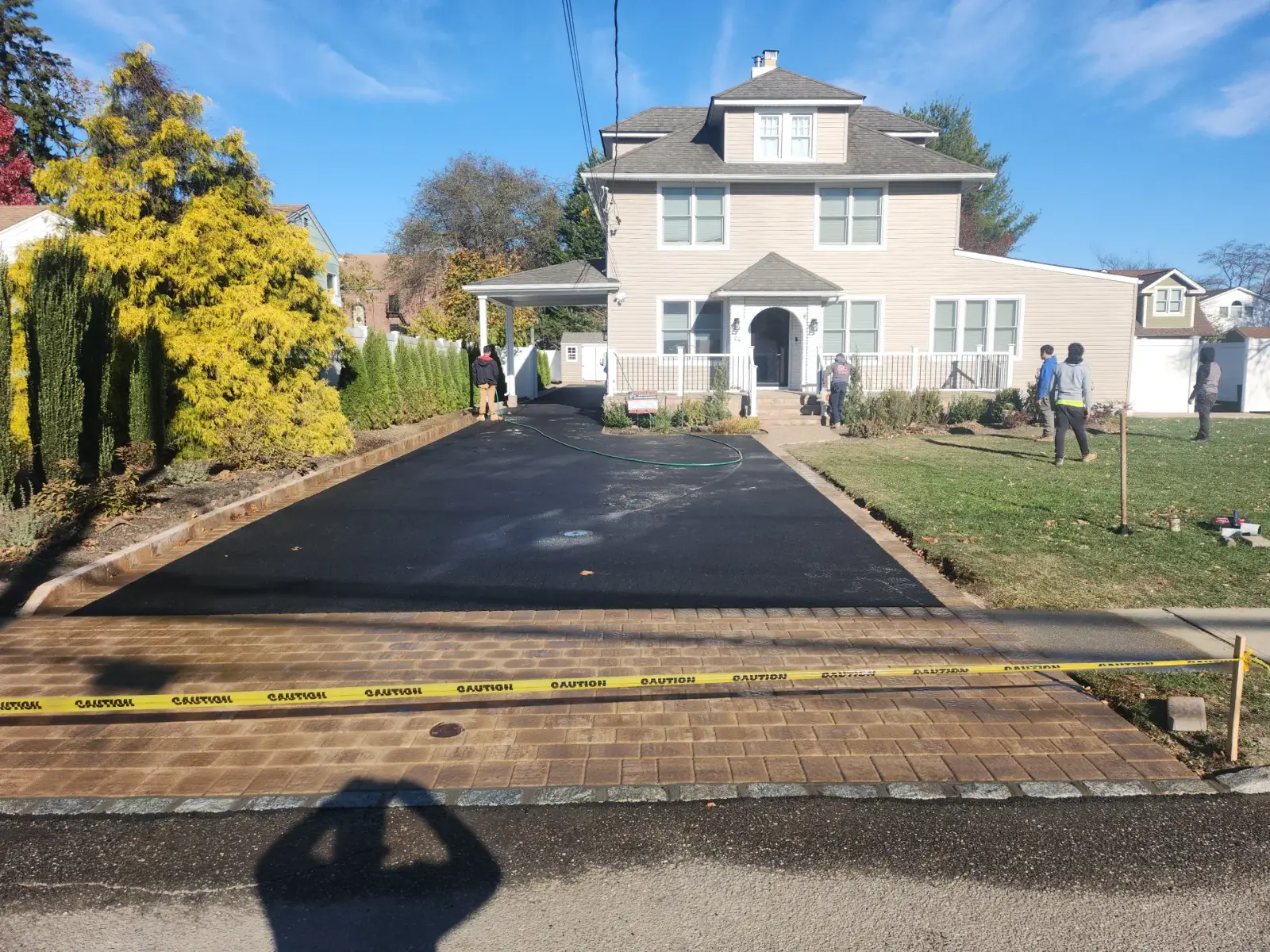
Residential Paving focuses on aesthetics, integration with existing landscaping, and homeowner lifestyle needs. Turnaround areas, basketball courts, and RV parking require specific thickness calculations. Additionally, Residential Paving often involves tighter access constraints than commercial lots.
Asphalt Paving & Contractor
Your Asphalt Paving & Contractor relationship should feel like a partnership, not a transaction. Good contractors explain options, recommend appropriate solutions, and respect your budget constraints. Furthermore, they identify potential problems before quoting rather than adding change orders mid-project.
Material quality varies significantly between suppliers. Premium binder content and aggregate gradation determine longevity. Moreover, your Asphalt Paving & Contractor should specify exactly what mix type they are installing and why.
Installation Best Practices
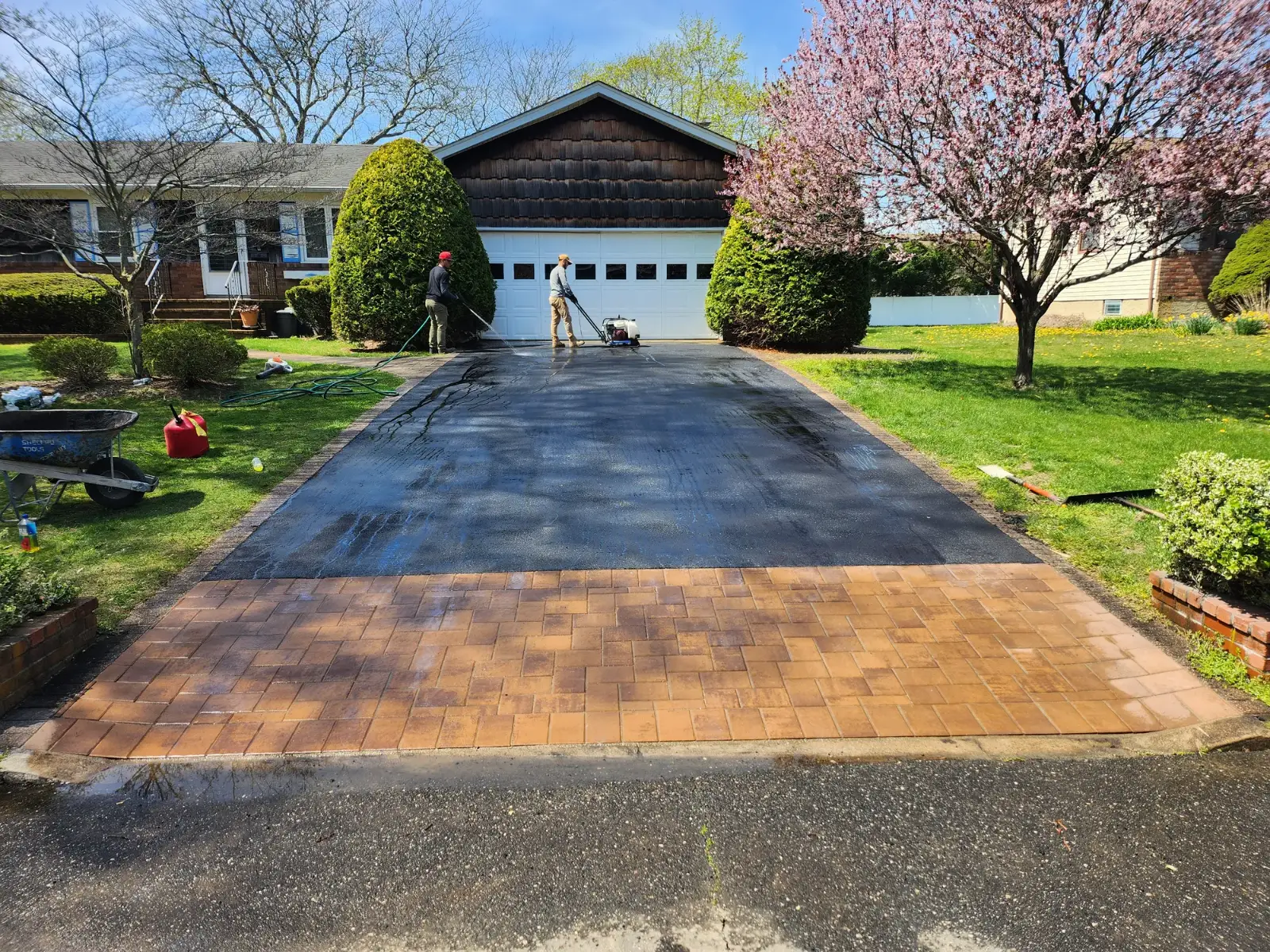
Proper base preparation consumes half the total project time but determines eighty percent of longevity. Excavation to appropriate depth, compaction in lifts, and aggregate selection matter enormously. Furthermore, drainage slope must direct water away from structures.
Asphalt temperature during placement affects compaction density significantly. Too cool and the material will not achieve proper interlock. Moreover, weather conditions during installation impact cure time and final hardness.
Maintenance That Actually Works
Sealcoating every two to three years protects against oxidation and fluid damage. The key is timing, application thickness, and surface preparation. Furthermore, crack filling before sealcoating prevents moisture from undermining the base.
Avoid parking heavy vehicles in the same spot daily, especially during hot weather. Concentrated loads create depressions that collect water and accelerate failure. Additionally, keep gasoline, oil, and solvents off the surface since they dissolve binder.
Cost Expectations
New residential driveways typically run four to eight dollars per square foot installed. Resurfacing over sound base costs two to four dollars per square foot. Furthermore, extensive base repair adds two to three dollars per square foot.
Most Long Island homeowners spend between $2000 and $6000 total. Commercial lots scale accordingly with area and traffic requirements. Moreover, seasonal timing affects pricing, with fall and spring commanding premiums.
Conclusion
Your driveway represents a significant investment that deserves professional attention. Proper installation and maintenance protect that investment while enhancing curb appeal. The right knowledge helps you make smart decisions about care and replacement.
Promaster Maintenance Corp has paved countless driveways across Long Island with lasting results. Their experienced crews understand local conditions and deliver work that ages gracefully. Contact them today for a free evaluation and honest recommendations.
Frequently Asked Questions
How much would a 200 ft asphalt driveway cost?
A two hundred foot long drive varies in price depending on width and base condition. Standard 12-foot width at average depth typically runs between four thousand and seven thousand dollars. Furthermore, culverts and grading challenges add expense.
How to choose an asphalt contractor?
Verify licensing, insurance, and local references before signing anything. Visit completed projects from prior years to assess aging quality. Moreover, get detailed written quotes from at least three providers.
What not to do on a new asphalt driveway?
Avoid driving on fresh asphalt for at least three days during warm weather. Do not turn steering wheels while stationary since this scuffs the surface. Furthermore, keep heavy trucks off for at least one week.
What does a bad asphalt job look like?
Signs include uneven thickness, poor drainage, visible seams, and premature cracking within the first year. Soft spots under normal loads indicate inadequate base compaction. Ultimately, failures usually trace back to installation shortcuts.